

Quick Answer: What Should I Wear in Vietnam?
Pack layers and a warm jacket for Northern Vietnam in winter (December–February), lightweight breathable clothing and rain protection for Central Vietnam, and lightweight clothing, sun protection, and a rain poncho for Southern Vietnam. Vietnam's long, narrow shape creates real regional climate differences, so travelers visiting more than one region may need substantially different clothing during the same trip.
Vietnam stretches over 1,600 kilometers from north to south, and its long, narrow geography creates significant regional climate differences. Northern Vietnam experiences four recognizable seasons, including a cool to cold winter and a hot, humid summer. Central Vietnam is hot for much of the year, but its rainy season can bring prolonged rain, tropical storms, and flooding. Southern Vietnam stays warm throughout the year, with distinct dry and rainy seasons rather than a cold winter.
This means that what you wear in Vietnam depends heavily on where you are going and when. A traveler visiting Hanoi in January and Ho Chi Minh City in the same week may need a warm jacket in one city and only lightweight summer clothing in the other. People relocating to Vietnam should choose their wardrobe based on their primary region, local activities, and travel plans.
Actual weather varies by location, elevation, and year. The seasonal ranges below describe typical conditions, not guarantees. Always check a reliable current forecast for your specific destination and dates before packing, and verify conditions before mountain excursions or travel during storm periods.
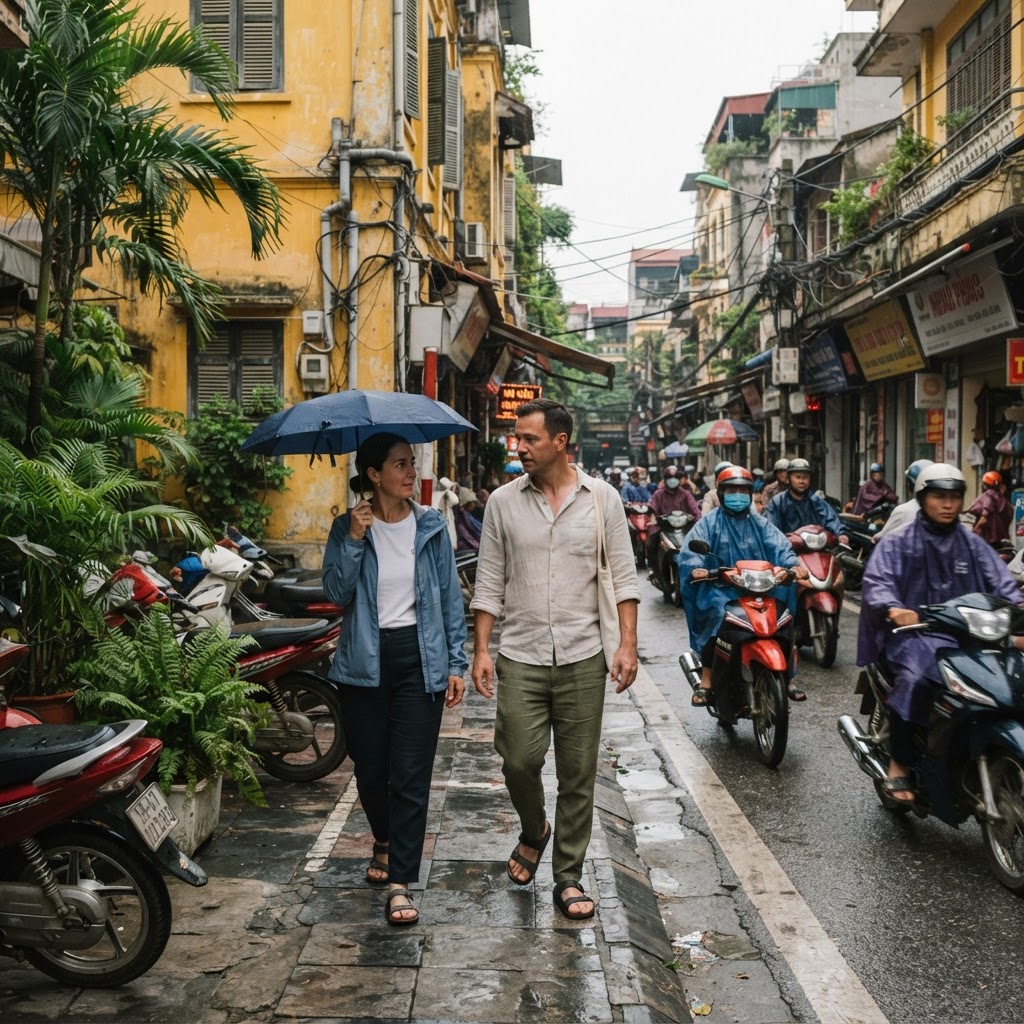
Vietnam's Three Main Climate Regions
Understanding Vietnam's three climate regions is the foundation of any Vietnam clothing guide. Each region has a distinct seasonal pattern, and the differences between them are large enough to affect what you pack.
Seasonal Clothing Guide for Northern Vietnam
Northern Vietnam — including Hanoi, Ha Long Bay, Ninh Binh, and the northern mountains such as Sapa and Ha Giang — is the only part of the country with a genuinely cold winter. Clothing needs here change noticeably across four seasons.
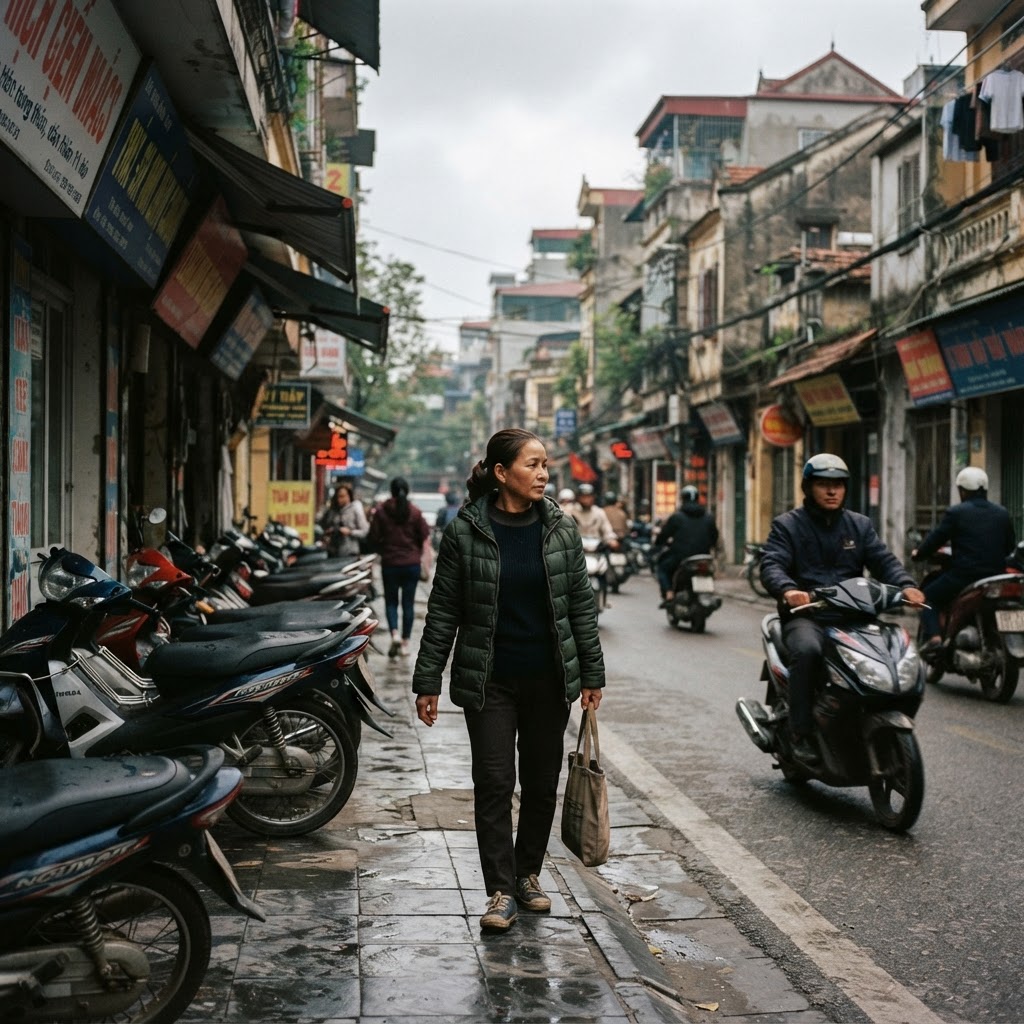
Spring: March–April
Spring is generally mild to warm, and can be damp and misty. Conditions change through the day, so layers are useful.
- Short-sleeve and long-sleeve shirts.
- Lightweight trousers and jeans.
- Thin sweaters, cardigans, or light jackets.
- Comfortable walking shoes.
- Compact umbrella or lightweight rain shell.
Summer: May–August
Summer is hot, humid, and rainy. The combination of heat, humidity, and frequent rain shapes what to wear.
- Breathable cotton, linen, or moisture-wicking shirts.
- Shorts, skirts, and lightweight trousers.
- Quick-drying underwear and socks.
- Breathable walking shoes or sandals.
- Sun hat and sunglasses.
- Compact rain jacket or poncho.
Autumn: September–November
Autumn often brings more comfortable temperatures and pleasant conditions, particularly in Hanoi, although rain and occasional storms remain possible.
- T-shirts and breathable long-sleeve shirts.
- Jeans and lightweight trousers.
- Light sweater, cardigan, or overshirt.
- Comfortable closed-toe walking shoes.
- Light rain jacket.
Winter: December–February
Winter can be chilly, damp, and overcast. Hanoi can feel cold because of damp conditions even when temperatures are above freezing. Mountain destinations such as Sapa and Ha Giang can be considerably colder and may require extra insulation.
- Warm jacket or insulated coat.
- Sweaters and fleece layers.
- Long-sleeve shirts.
- Long trousers.
- Closed-toe shoes and socks.
- Optional scarf and thermal base layers.
Not every winter day in Northern Vietnam is freezing. Lowland winter temperatures are often chilly and damp rather than freezing, but mountain areas can be much colder. Check the forecast for your specific destination and pack accordingly. Travelers heading to Sapa or Ha Giang in winter should prepare for genuinely cold conditions.
Seasonal Clothing Guide for Central Vietnam
Central Vietnam — including Hue, Da Nang, Hoi An, and Quy Nhon — is hot for much of the year. Rather than a cold winter, the main seasonal contrast is between a relatively drier, hot period and a rainy period that can bring heavy rain, tropical storms, and localized flooding. Conditions vary along the central coast and between coastal and inland locations, so do not treat a single rigid rainy-season calendar as equally accurate for every central city.
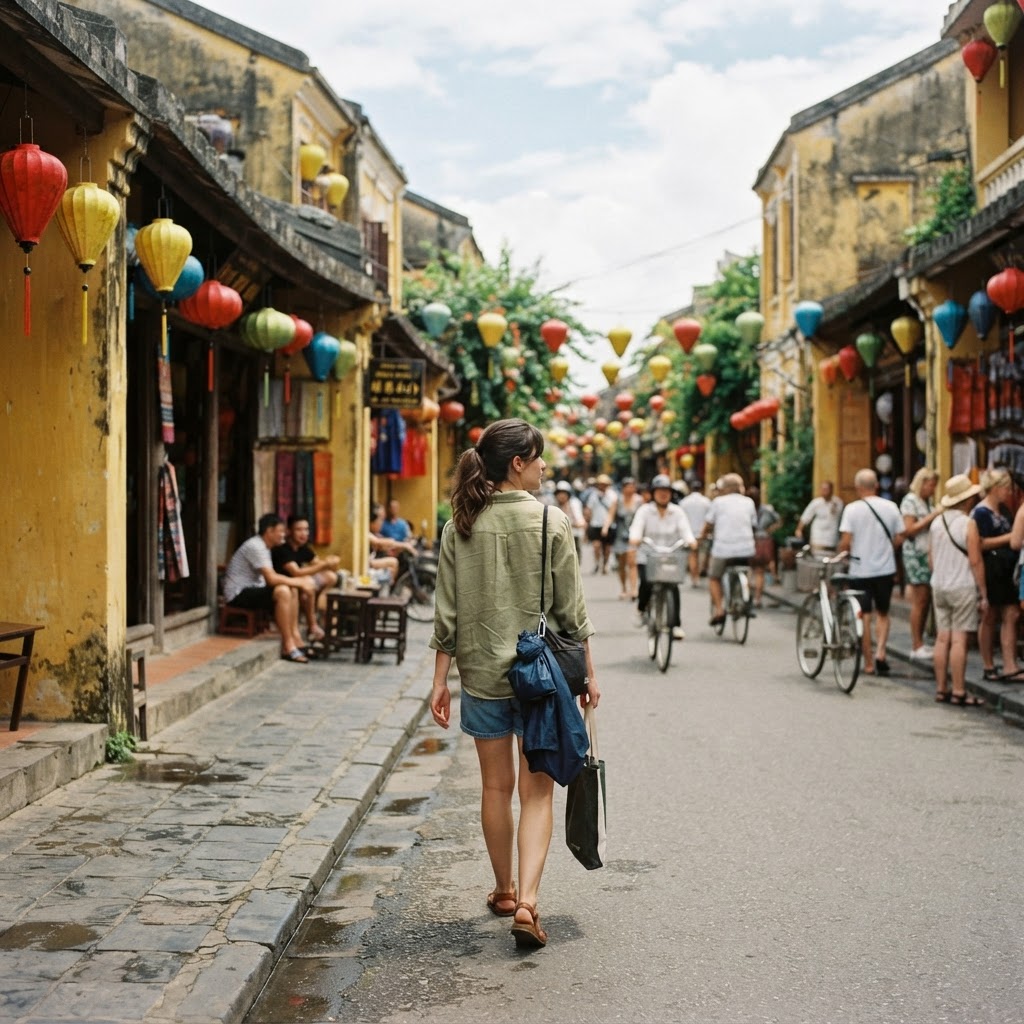
Relatively Dry and Hot Period: Approximately February–August
The hottest conditions often occur in late spring and summer. Lightweight, breathable clothing and sun protection are the priorities.
- Lightweight cotton or linen shirts.
- Shorts, skirts, dresses, and breathable trousers.
- Sandals and comfortable walking shoes.
- Swimwear for beach destinations.
- Sun hat, sunglasses, and sunscreen.
- Light long-sleeve clothing for sun protection.
Rainy Period: Often September–January
The rainy season can bring prolonged rainfall, strong storms, and localized flooding that may disrupt travel, particularly around Hue, Da Nang, and Hoi An. These months are approximate, and rainfall timing varies by city and year.
- Quick-drying shirts and trousers.
- Lightweight waterproof jacket or poncho.
- Shoes with good grip.
- Water-resistant bag or waterproof protection for electronics.
- Light sweater or jacket for cooler, wet days.
Check local weather alerts before traveling during periods of heavy rain. Central Vietnam's rainy season can cause flooding and transport disruption. These months are approximate and vary by city and year — do not treat a single calendar as equally accurate for every central province.
Seasonal Clothing Guide for Southern Vietnam
Southern Vietnam — including Ho Chi Minh City, the Mekong Delta, and Phu Quoc — stays warm throughout the year. The main seasonal change is between a dry season and a rainy season, not a cold winter. High humidity makes breathable and quick-drying fabrics especially useful, and a heavy winter coat is generally unnecessary for normal lowland activities.
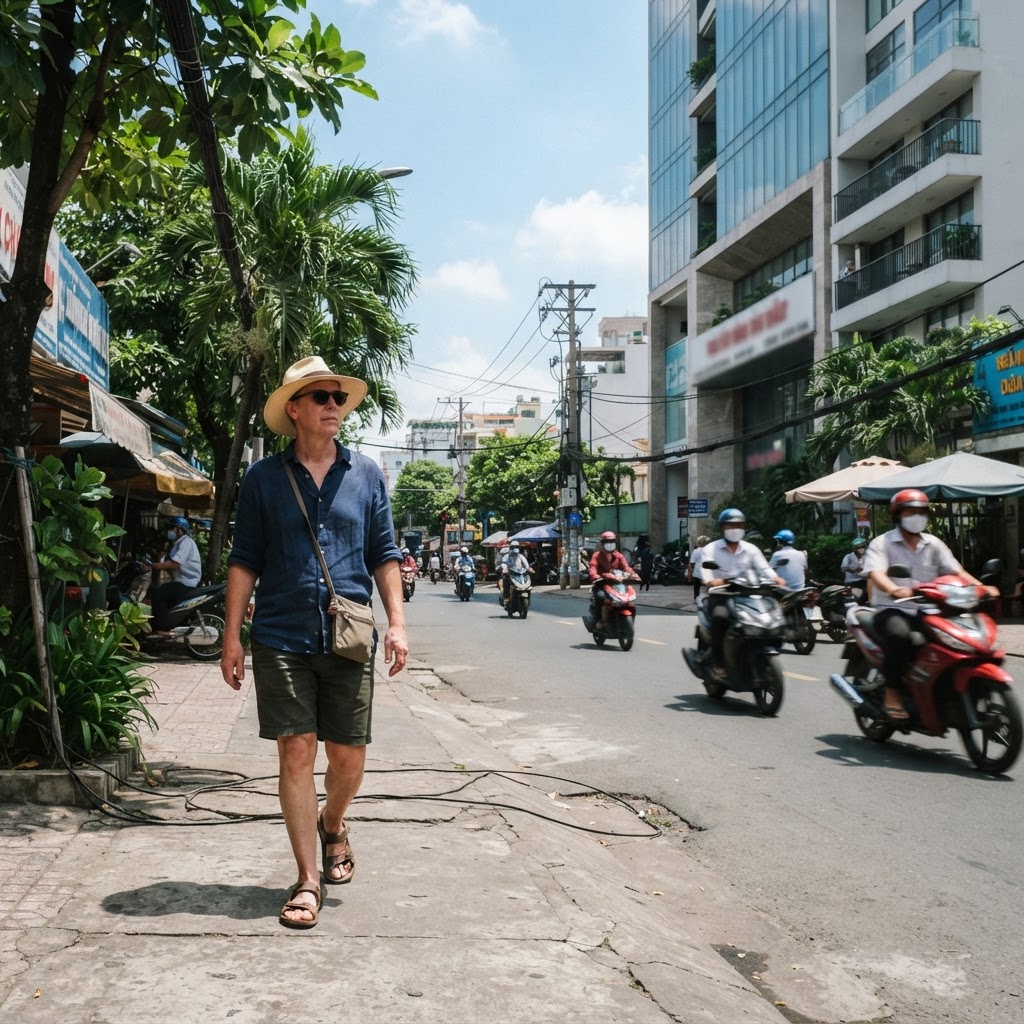
Dry Season: December–April
The combination of heat and strong sun makes breathable fabrics and sun protection important.
- Lightweight cotton, linen, or moisture-wicking shirts.
- Shorts, skirts, and lightweight trousers.
- Breathable sandals and walking shoes.
- Sun hat and sunglasses.
- Swimwear for beach destinations.
- Light long-sleeve shirts for sun protection.
Rainy Season: May–November
The rainy season usually does not require a different temperature wardrobe. Rain frequently arrives in showers, often in the afternoon, but timing and intensity vary. The primary change is the need to manage sudden rain, humidity, and wet footwear.
- Lightweight shirts and shorts.
- Quick-drying trousers.
- Packable rain poncho or compact umbrella.
- Water-resistant sandals or quick-drying shoes.
- Waterproof phone pouch.
- Backpack rain cover or waterproof bag.
A rain poncho must not interfere with safe motorbike riding. A poncho that flaps loose or blocks your view can be dangerous on a motorbike. Choose a well-fitted poncho and secure loose fabric, and remember that a poncho alone does not provide adequate motorbike safety protection — a helmet and appropriate footwear remain essential.
Seasonal Clothing Comparison Chart
The chart below compares clothing needs across Northern, Central, and Southern Vietnam by season. Labels describe typical conditions, not strict requirements — your actual needs depend on your destination, activities, and the specific forecast for your dates. On a small screen, swipe the table sideways to read every column.
| Clothing Item | North — Winter | North — Summer | Central — Dry | Central — Rainy | South — Dry | South — Rainy |
|---|---|---|---|---|---|---|
| T-shirts and short-sleeve shirts | Optional | Essential | Essential | Essential | Essential | Essential |
| Long-sleeve shirts | Essential | Optional | Recommended | Recommended | Recommended | Recommended |
| Shorts and skirts | Usually unnecessary | Essential | Essential | Recommended | Essential | Recommended |
| Long trousers | Essential | Recommended | Recommended | Essential | Recommended | Essential |
| Warm jacket or coat | Essential | Usually unnecessary | Usually unnecessary | Optional | Usually unnecessary | Usually unnecessary |
| Sweater or fleece | Essential | Usually unnecessary | Optional | Recommended | Optional | Optional |
| Rain jacket or poncho | Recommended | Essential | Recommended | Essential | Recommended | Essential |
| Closed-toe walking shoes | Essential | Recommended | Recommended | Essential | Recommended | Recommended |
| Sandals | Usually unnecessary | Recommended | Essential | Recommended | Essential | Recommended |
| Sun hat and sunglasses | Optional | Essential | Essential | Recommended | Essential | Recommended |
| Swimwear | Usually unnecessary | Optional | Essential | Optional | Essential | Optional |
| Quick-drying clothing | Recommended | Essential | Recommended | Essential | Recommended | Essential |
| Waterproof bag protection | Recommended | Recommended | Recommended | Essential | Optional | Essential |
| Thermal base layers | Optional (mountains) | Usually unnecessary | Usually unnecessary | Usually unnecessary | Usually unnecessary | Usually unnecessary |
Labels: Essential = typically needed; Recommended = useful in most cases; Optional = depends on conditions or activities; Usually unnecessary = rarely needed for typical conditions. Mountain destinations in Northern Vietnam may require warmer items than the lowland labels suggest.
Vietnam Clothing Packing Checklist
Use this checklist to build your own Vietnam packing list. Tap each box to check it off. The right packing list depends on the season, your destination, and your planned activities — you may not need every item.
To clear the checklist, uncheck each box. The appropriate packing list depends on the season, your destination, and your planned activities.
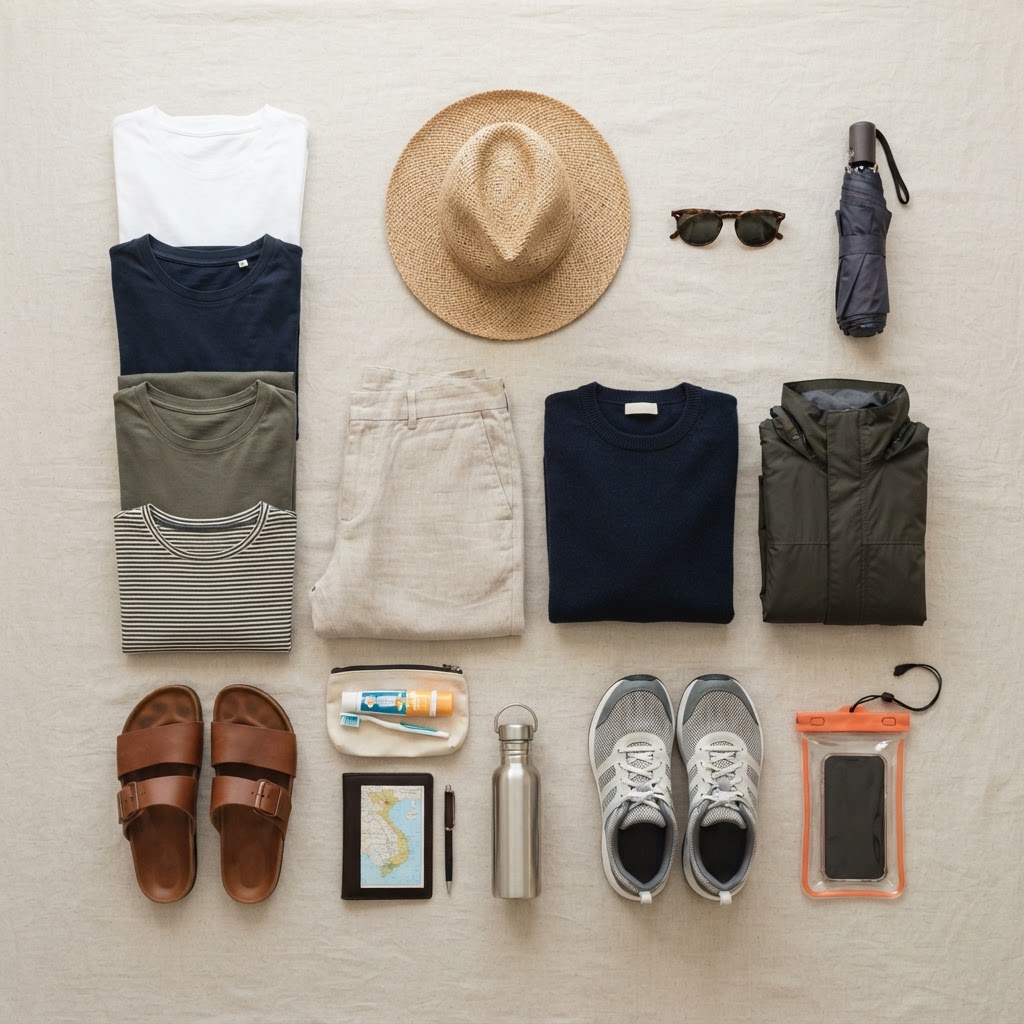
Building a Wardrobe for Living in Vietnam
Long-term clothing needs differ from those of a short-term tourist. If you are relocating to Vietnam or staying as a digital nomad, a flexible wardrobe is more practical than buying an entirely new set of clothes for every season.
- A lightweight everyday wardrobe works well in Southern Vietnam, where temperatures remain warm year-round. Breathable fabrics and sun protection are the daily staples.
- Northern Vietnam residents should retain a few warmer layers for the winter months. A warm jacket, a sweater or fleece, and long trousers are useful from December through February, especially in Hanoi and the northern mountains.
- Quick-drying fabrics are useful during humid or rainy months in all three regions, because they handle sweat and sudden rain far better than heavy cotton or denim.
- A compact waterproof layer is useful throughout much of the country. A packable rain jacket or poncho takes little space and covers both the northern summer and the central and southern rainy seasons.
- Air-conditioned offices, restaurants, and coworking spaces can feel cool even when outdoor temperatures are high. Keep a light sweater or overshirt available for indoor comfort.
- Collared shirts, long trousers, and modest outfits may be useful for professional or formal occasions. Many Vietnamese workplaces and business settings favor a neat, modest dress code.
- Closed shoes, long trousers, and protective outerwear are practical when traveling by motorbike. They protect against sun, rain, exhaust, and road debris. A helmet is mandatory and essential.
- Travelers visiting all three regions should plan around the coldest destination and the wettest conditions on their itinerary, then add lighter items for the warmer legs of the trip.
There is no need to purchase an entirely new wardrobe for every season. A flexible collection of lightweight basics, a rain layer, and a few region-specific items is generally more practical than over-packing.
Clothing Etiquette and Practical Safety
- Temples and pagodas: When visiting temples, pagodas, and other religious sites where appropriate, wear clothing that covers your shoulders and knees. A light scarf or overshirt is an easy way to cover up on arrival.
- Air-conditioned interiors: Bring a light layer for heavily air-conditioned indoor spaces, which can feel cold even in hot weather.
- Rainy-condition footwear: Choose footwear with adequate grip during rainy conditions. Smooth-soled shoes and some sandals can slip on wet surfaces.
- Protecting electronics and documents: Use a waterproof phone pouch and a waterproof bag or rain cover to protect electronics and important documents from rain.
- Motorbike clothing: Choose comfortable, secure clothing when riding or riding as a passenger on a motorbike. Closed shoes, long trousers, and protective outerwear reduce injury risk. A properly fastened helmet is mandatory and essential.
- Weather checks: Check the local weather forecast before mountain excursions or travel during storm periods, especially in Central Vietnam during the rainy season.
A rain poncho alone does not provide adequate motorbike safety protection. A helmet, appropriate footwear, and secure clothing remain essential. A poncho that flaps loose or blocks your view can itself be a hazard.
Frequently Asked Questions
What clothes should I wear in Vietnam?
Lightweight, breathable clothing works well in much of the country, but Northern Vietnam requires warmer layers during winter and all regions benefit from rain protection. Pack lightweight cotton or linen basics, a compact rain layer, sun protection, and — if you are visiting Northern Vietnam in winter — a warm jacket and sweater. Adjust your list by region and season.
Does Northern Vietnam get cold in winter?
Yes. Northern lowlands such as Hanoi can become chilly and damp from December through February, and mountain destinations like Sapa and Ha Giang can be much colder. A warm jacket, sweaters, and layers are useful during these months. Not every winter day is freezing, but the dampness can make it feel colder than the temperature suggests.
Is Southern Vietnam hot all year?
Southern Vietnam remains warm year-round, with dry and rainy seasons rather than a typical cold winter. The dry season generally runs from December through April and the rainy season from May through November. A heavy winter coat is generally unnecessary for normal lowland activities; the main seasonal change is managing rain and humidity.
What should I wear in Vietnam during the rainy season?
Wear quick-drying clothing, a compact poncho or rain jacket, footwear with good grip or quick-drying sandals, and waterproof protection for your electronics such as a waterproof phone pouch and a backpack rain cover. The rainy season usually does not require a different temperature wardrobe — the main change is managing sudden rain and wet footwear.
Do I need a winter coat in Vietnam?
A winter coat is useful for Northern Vietnam during winter and for some mountain trips, but is generally unnecessary for everyday life in Southern Vietnam. If you are visiting Hanoi, Sapa, or Ha Giang between December and February, pack a warm jacket. For Ho Chi Minh City and the Mekong Delta, lightweight clothing is enough year-round.
What should I pack for a trip from Hanoi to Ho Chi Minh City?
Pack lightweight basics, a compact rain layer, comfortable walking shoes, and a warmer jacket if you are traveling in the northern winter. Hanoi in winter can be cold and damp while Ho Chi Minh City stays warm, so plan around the coldest destination and add lighter items for the warmer leg. Layers make it easy to adjust between regions.
What fabrics are best for Vietnam's humidity?
Breathable cotton, linen, and moisture-wicking or quick-drying fabrics are good choices for Vietnam's humidity. They handle sweat and sudden rain better than heavy fabrics. Personal comfort and activity affect the best choice — for active days or rainy-season travel, quick-drying synthetic blends often outperform heavy cotton or denim.
What should digital nomads wear in Vietnam?
Digital nomads should keep comfortable everyday clothing, sun protection, rainwear, a light layer for air-conditioned interiors, and suitable outfits for professional meetings. A flexible wardrobe of lightweight basics, a compact rain layer, and a few modest, neat items for coworking spaces and client meetings covers most situations without over-packing.
What is the best month to visit Vietnam for comfortable weather?
There is no single ideal month for the entire country because regional weather differs. Northern Vietnam is most comfortable in autumn, Central Vietnam is often pleasant in the drier spring months, and Southern Vietnam is typically most comfortable in the dry season from December through April. Select dates based on your intended destinations and priorities.
Conclusion: Dress for the Region, Not the Country
The key to dressing for Vietnam is to think region by region and season by season rather than treating the country as a single climate. Pack layers and a warm jacket for Northern Vietnam in winter, lightweight breathable clothing and rain protection for Central Vietnam, and lightweight clothing, sun protection, and a rain poncho for Southern Vietnam. If your trip crosses regions, plan around the coldest destination and the wettest conditions on your itinerary, then add lighter items for the warmer legs.
For more regional guidance, compare Vietnam's major cities with our Vietnam city comparison tool, and browse the full library of practical Vietnam guides for expats, remote workers, and travelers.
Sources and Further Reading
Vietnam National Administration of Tourism — Climate and weather overview:
vietnamtourism.gov.vn — Vietnam Tourism
Vietnam Government Portal — Weather and disaster alerts:
nchmf.gov.vn — National Centre for Hydro-Meteorological Forecasting
Seasonal ranges in this article describe typical conditions and are approximate. Rainfall timing varies by city, elevation, and year. Always check a reliable current forecast for your specific destination and dates before packing, and verify conditions before mountain excursions or travel during storm periods.
Plan Your Vietnam Wardrobe by Region
Before you pack, identify every region and season your trip includes. Build a flexible list of lightweight basics, add a compact rain layer, and include warmer items only if Northern Vietnam in winter or mountain destinations are on your itinerary. A region-by-region approach keeps you comfortable without over-packing.
Published October 2026. This article is for general informational purposes only and does not constitute travel, safety, or professional advice. Weather conditions vary by location, elevation, and year. Always verify current conditions with a reliable forecast and official sources before making travel decisions.