
Vietnam Weather by City: A Four-Season Guide for Remote Workers and Expats
By Remote Life Vietnam · Last Updated: September 2026
Does Vietnam have four seasons?
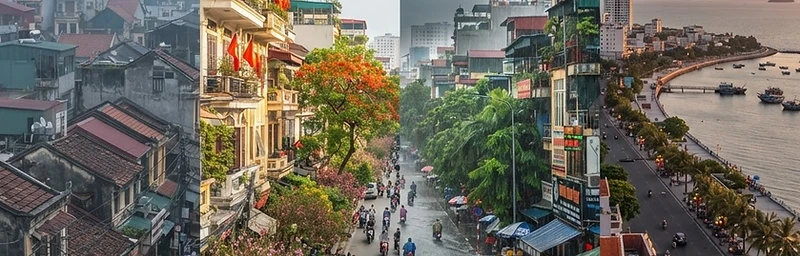
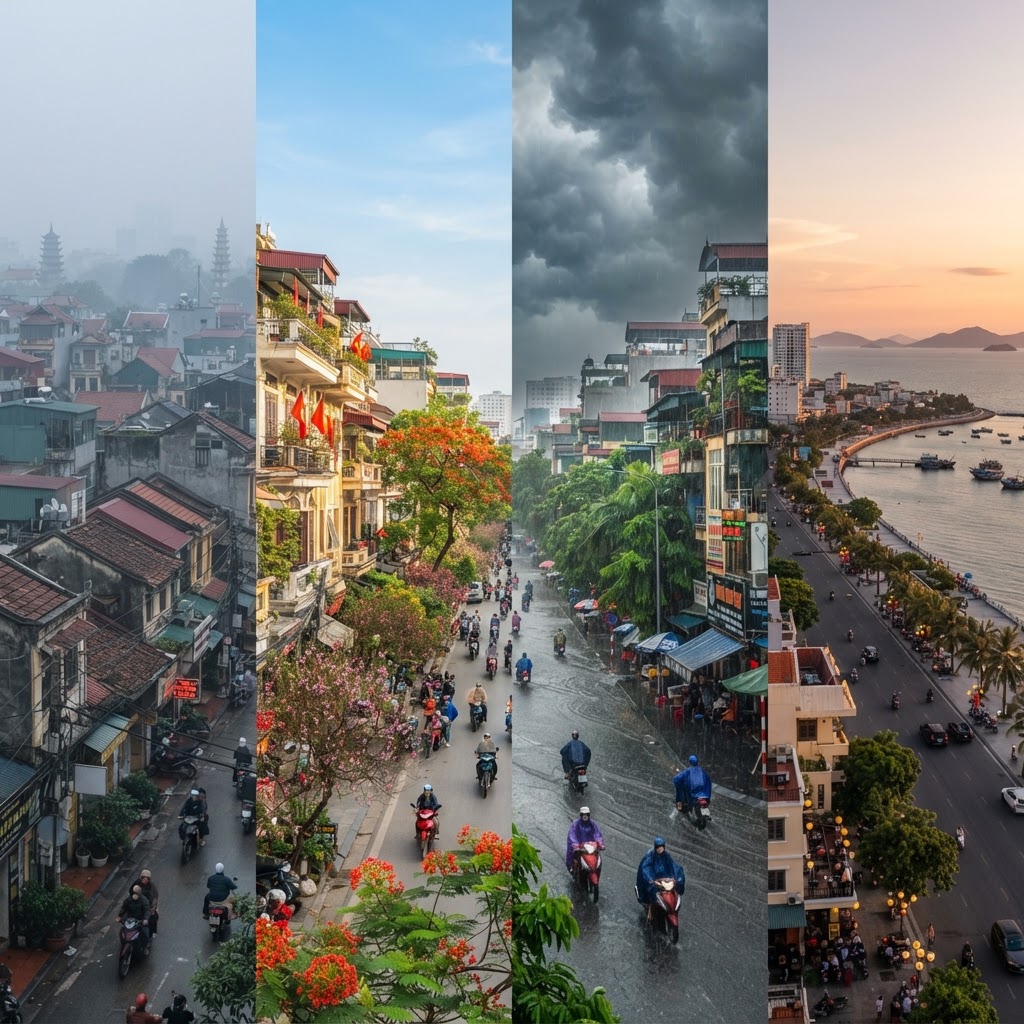
Vietnam's climate varies significantly by region. Northern Vietnam (including Hanoi) has the clearest four-season pattern — spring, summer, autumn, and winter — with a genuinely cool winter. Central and southern Vietnam (including Ho Chi Minh City, Da Nang, Hoi An, Nha Trang, and Da Lat) are generally better understood through their dry and rainy seasons, because the traditional four temperate seasons are far less distinct there. This guide covers six cities — the same cities on our Vietnam City Comparison page — and explains what the weather is typically like during each seasonal period.
Vietnam stretches over 1,600 km from north to south, so the weather in Hanoi can feel completely different from the weather in Ho Chi Minh City on the same day. If you are an American, digital nomad, expat, or retiree planning to live and work remotely in Vietnam, understanding Vietnam weather by city is just as important as comparing rent prices, internet speed, or visa options.
This guide explains Vietnam weather throughout the year for six cities: Ho Chi Minh City, Hanoi, Da Nang, Hoi An, Nha Trang, and Da Lat. For consistency, each city is organized into four seasonal periods (spring, summer, autumn, winter), but we are clear about which cities truly experience four distinct seasons and which are better described by wet and dry seasons.
Vietnam Weather by City: Annual Summary
Use this table to compare the broad climate profile of each city at a glance. Temperature ranges are typical approximate values based on long-term climate patterns; actual weather varies by year.
| City | Region | Climate Type | Coolest Period | Hottest Period | Rainiest Period | Driest Period | Four Distinct Seasons? |
|---|---|---|---|---|---|---|---|
| Ho Chi Minh City | South | Tropical (wet & dry) | Dec–Feb (~21–26°C) | Mar–May (~34–35°C) | May–Oct | Dec–Apr | No — wet/dry seasons |
| Hanoi | North | Humid subtropical | Jan (~14–20°C) | Jun–Jul (~33–35°C) | May–Sep | Nov–Mar | Yes |
| Da Nang | Central | Tropical monsoon | Jan (~19–24°C) | Jun–Jul (~30–34°C) | Sep–Nov | Jan–Jul | No — wet/dry seasons |
| Hoi An | Central | Tropical monsoon | Jan (~20–24°C) | Jun–Jul (~31–34°C) | Oct–Nov | Feb–Apr | No — wet/dry seasons |
| Nha Trang | Central Coast | Tropical savanna | Jan–Feb (~21–25°C) | Jun–Aug (~31–33°C) | Oct–Dec | Jan–Aug | No — wet/dry seasons |
| Da Lat | Central Highlands | Temperate highland | Dec–Jan (~10–18°C) | Apr–May (~22–24°C) | May–Oct | Dec–Mar | Mild year-round; two seasons |
Season-at-a-Glance by City
| City | Spring (Mar–May) | Summer (Jun–Aug) | Autumn (Sep–Nov) | Winter (Dec–Feb) |
|---|---|---|---|---|
| Ho Chi Minh City | Hot and dry, building heat. | Hot, humid, heavy rains. | Rainy then drying, warm. | Cool, dry, comfortable. |
| Hanoi | Mild, humid, drizzle, fog. | Hot, humid, storms. | Warm, pleasant, some rain. | Cool, damp, overcast. |
| Da Nang | Warm, dry, sunny. | Hot, dry to humid. | Wet, typhoon risk. | Mild, cool, mostly dry. |
| Hoi An | Warm, dry, sunny. | Hot, humid, some rain. | Very wet, floods, typhoons. | Mild, cool, drying. |
| Nha Trang | Warm, dry, sunny. | Hot, dry, sunny. | Rain increasing late. | Rainiest, mild. |
| Da Lat | Dry, mild, sunny. | Rainy, cool, fog. | Rainy then drying. | Cool, dry, foggy mornings. |
Ho Chi Minh City Weather
Quick Climate Overview
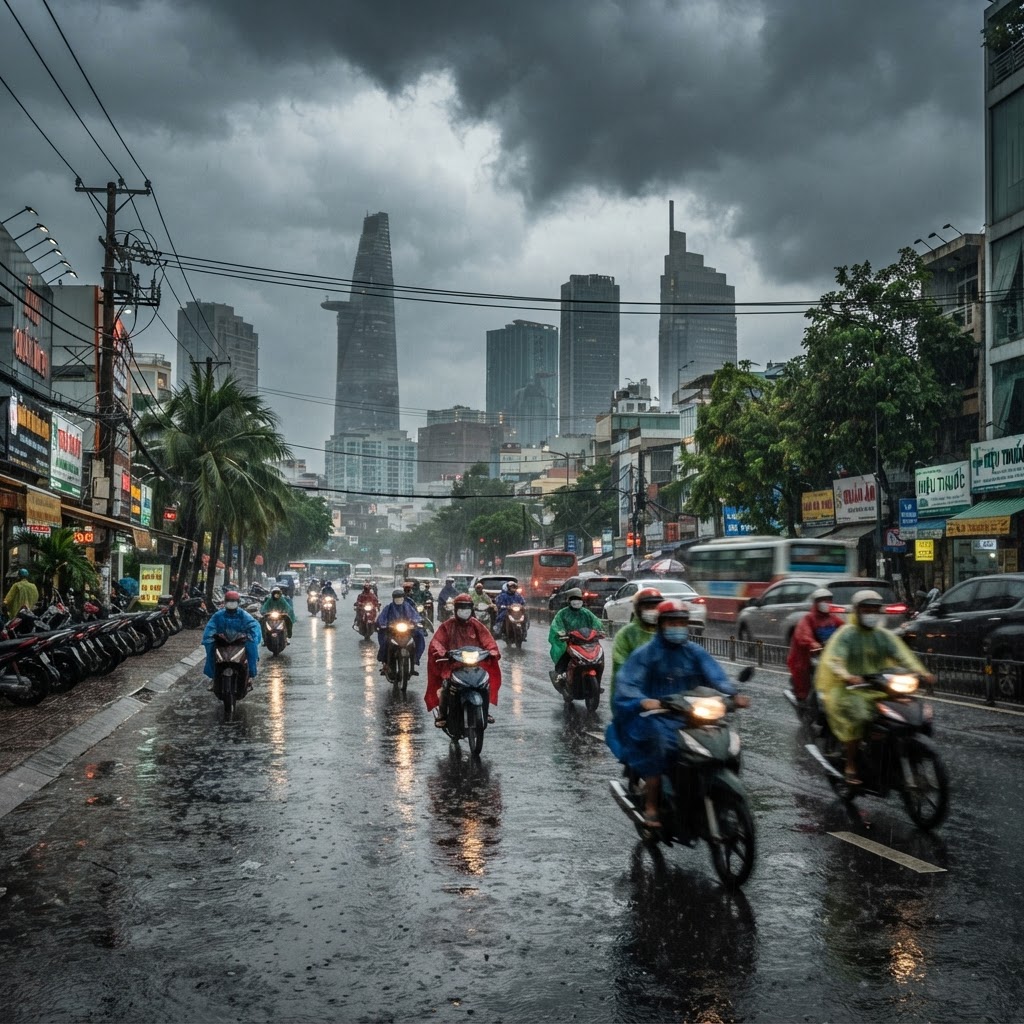
Ho Chi Minh City (Saigon) sits in southern Vietnam and has a tropical climate with two main seasons: a wet season and a dry season. The traditional four seasons do not apply here. Typical temperatures range from about 21–35°C (70–95°F) year-round, and humidity is high throughout the year. Rainfall is concentrated from May to October, with the heaviest downpours usually in the afternoon or evening. For remote workers, the heat and humidity mean air conditioning is essential most of the year.
Spring (March–May)
Spring in Ho Chi Minh City is the hottest, driest period. March and April are typically dry with abundant sunshine and high temperatures reaching around 34–35°C (93–95°F). Humidity is high but rain is still limited until late April or May, when the first monsoon showers begin. Expect clear mornings and hot afternoons. This is a good time for outdoor work and exploring, but midday heat is intense.
Summer (June–August)
Summer is the core of the wet season. Temperatures remain hot (around 31–34°C / 88–93°F) with very high humidity. Heavy afternoon and evening thunderstorms are common, often bringing sudden, intense downpours that can flood streets briefly. Tropical weather considerations include lightning and strong winds during storms. Air conditioning is essential — expect high electricity usage. Indoor cooling is a daily necessity, not a luxury.
Autumn (September–November)
Autumn remains rainy in September and October, with frequent downpours, then begins to dry out in November. Temperatures stay warm (around 26–31°C / 79–88°F). Humidity begins to ease by November. This is a transition into the cooler, drier part of the year. Some years bring occasional tropical storms, though the typhoon risk is lower here than in central Vietnam.
Winter (December–February)
Winter is the most comfortable season in Ho Chi Minh City — cooler, drier, and less humid. Temperatures typically range from 21–28°C (70–82°F), with lower humidity and little rain. Mornings can feel pleasantly cool. Heating is never needed. This is the best weather of the year for outdoor activities, walking, and working from cafes. Many remote workers find this the most productive and comfortable period.
What the Weather Means for Remote Workers
- Air conditioning: Essential for 10–11 months of the year. Budget for higher electricity costs from May to October.
- Humidity & mold: High humidity can cause mold on leather, electronics, and walls. Use dehumidifiers and keep ventilation running.
- Laundry: Dries slowly in the wet season; a dryer or indoor drying rack with a fan helps.
- Transportation: Afternoon downpours can flood streets and disrupt motorbike travel. Keep rain gear handy and allow extra time.
- Internet: Generally reliable, but severe storms can occasionally cause brief outages.
- Apartments: Choose units with good ventilation, working air conditioning in the bedroom, and windows that open. Avoid ground-floor units prone to flooding.
- Sleep: Nights stay warm most of the year; air conditioning in the bedroom is important for sleep quality.
Hanoi Weather
Quick Climate Overview
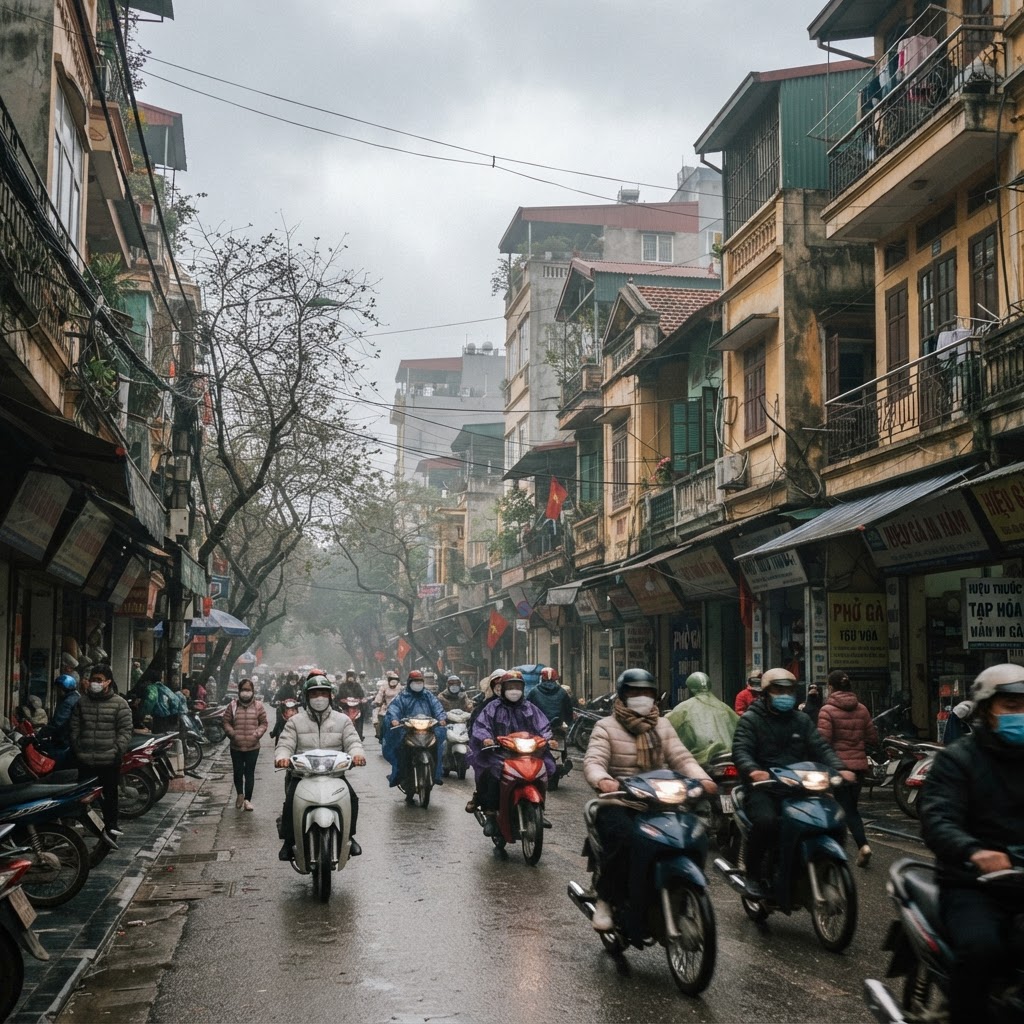
Hanoi is in northern Vietnam and has a humid subtropical climate with the clearest four-season pattern in the country. Typical temperatures range from about 14–35°C (57–95°F) across the year. Humidity is high year-round, and rainfall is concentrated from May to September. Hanoi genuinely experiences spring, summer, autumn, and winter — including a cool, damp winter that surprises many newcomers. For remote workers, the winter requires warmer clothing and sometimes a heater, while summer requires strong air conditioning.
Spring (March–May)
Spring in Hanoi is mild and humid, with frequent light drizzle and fog, especially in March. Temperatures gradually rise from around 18–25°C in March to 25–32°C by May. Cloud cover is common and sunshine is limited early in the season. The famous "drizzle" (mưa phù) can make things feel damp. Comfort is moderate — pleasant but grey. This is a transitional period; expect changing conditions and pack layers.
Summer (June–August)
Summer is hot, humid, and rainy. Temperatures often reach 33–35°C (91–95°F) with high humidity making it feel hotter. Afternoon thunderstorms are frequent and can be intense. This is the core of the rainy season in the north. Air conditioning is essential, and electricity usage peaks. Tropical downpours can disrupt outdoor plans and motorbike travel. Indoor cooling is a daily necessity.
Autumn (September–November)
Autumn is widely considered Hanoi's most pleasant season. Temperatures ease to a comfortable 24–30°C (75–86°F), humidity drops, and skies become clearer, especially in October and November. Rainfall decreases through the season. This is the transition from the hot wet summer to the cool dry winter. Many residents consider October the best month of the year in Hanoi.
Winter (December–February)
Winter in Hanoi is cool, damp, and overcast. Temperatures typically range from 14–20°C (57–68°F), with occasional colder spells dropping near 10°C (50°F) or lower. There is little rain, but the damp cold can feel sharper than the temperature suggests. Heating is often needed — most apartments use portable heaters or air conditioners with a heating mode, since central heating is uncommon. Warm clothing, a jacket, and layers are essential. This is the season that surprises foreigners who expect Vietnam to be hot everywhere.
What the Weather Means for Remote Workers
- Air conditioning: Essential in summer (cooling); many units also heat in winter.
- Heating: Needed in winter — confirm your apartment's heating capability before signing a lease.
- Humidity & mold: High year-round; winter dampness can cause mold. Dehumidifiers help.
- Laundry: Dries slowly in spring and winter; dryers are useful.
- Air quality: Winter can bring poor air quality and fog; some remote workers use air purifiers.
- Clothing: Pack for both hot humid summer and cool damp winter — a real jacket is needed.
- Apartments: Look for good insulation, sunlight in winter, and working heating/cooling. North-facing windows get less winter sun.
- Sleep: Winter nights can be cold without heating; summer nights need cooling.
Da Nang Weather
Quick Climate Overview
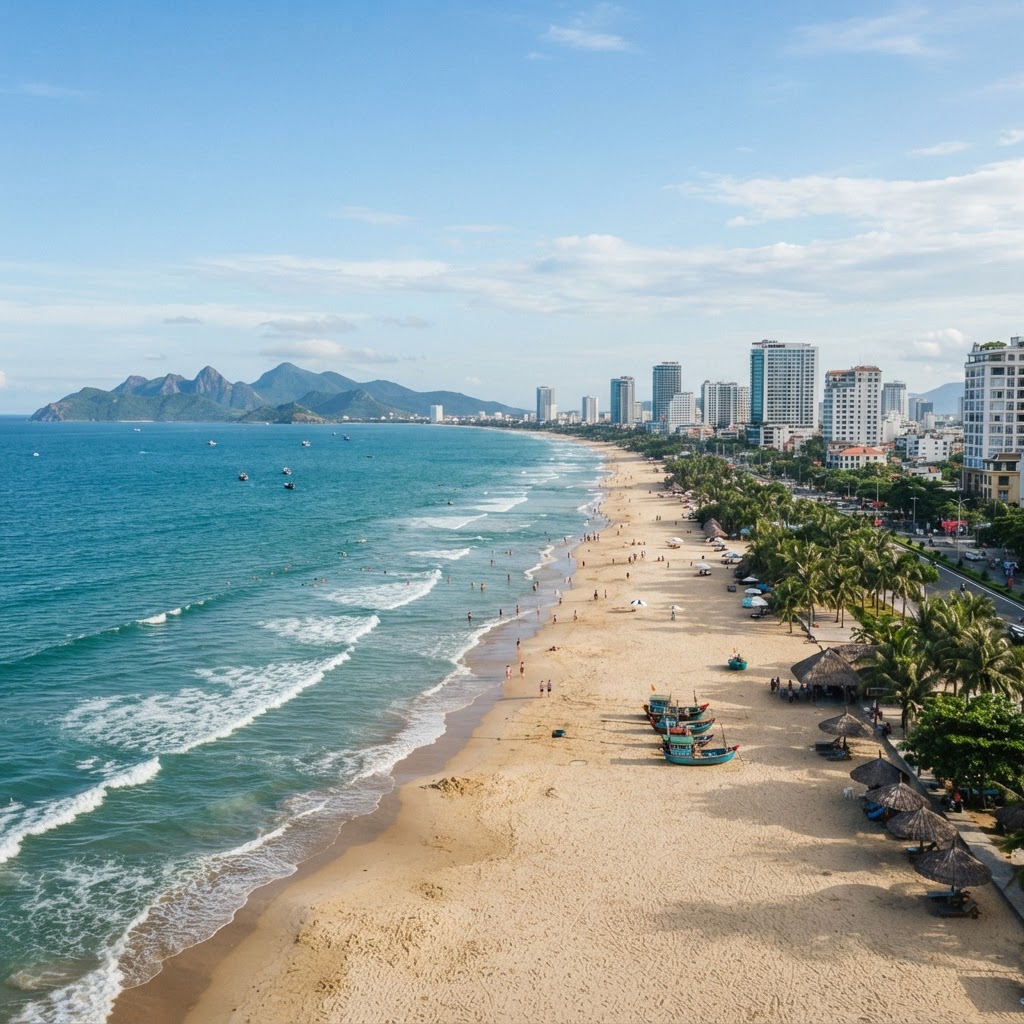
Da Nang is in central Vietnam and has a tropical monsoon climate with a long dry season and a shorter, intense wet season. The four traditional seasons are less distinct; dry and rainy seasons describe it better. Typical temperatures range from about 19–34°C (66–93°F). Humidity is high, and the rainiest months are September to November. Da Nang is in the typhoon zone, so autumn storms are a consideration. For remote workers, the long dry season is a major draw.
Spring (March–May)
Spring is warm, dry, and sunny — one of the best times of year. Temperatures rise from around 23–28°C in March to 28–33°C by May. Rain is rare, skies are clear, and humidity is manageable. This is ideal weather for beach life and outdoor work. Expect comfortable conditions and plenty of sunshine.
Summer (June–August)
Summer is hot and mostly dry, becoming more humid toward August. Temperatures often reach 30–34°C (86–93°F). Rainfall is still limited compared to the autumn. Air conditioning is needed, but the heat is less oppressive than in Ho Chi Minh City because of the coastal breeze. This is peak beach season.
Autumn (September–November)
Autumn is the wet season and the most challenging period. September and October bring heavy rains, and typhoons can affect the central coast during these months. Flooding is possible. Temperatures ease to around 24–30°C (75–86°F). Internet and power can occasionally be disrupted during severe storms. Remote workers should have backup power and data plans during this season.
Winter (December–February)
Winter is mild and mostly dry, with comfortable temperatures around 19–24°C (66–75°F). It can feel cool, especially at night and near the coast, but heating is rarely needed. This is a pleasant, quieter season. Many remote workers find winter the most comfortable time to live and work in Da Nang.
What the Weather Means for Remote Workers
- Air conditioning: Needed from May to September; light use in winter.
- Typhoon season: September–November — prepare for possible power and internet disruptions. A backup battery and mobile data plan are wise.
- Flooding: Heavy autumn rain can flood low-lying streets; choose apartments above ground level.
- Humidity: High in the wet season; mold can be an issue.
- Transportation: Motorbike travel is harder during autumn downpours; ride-hailing apps help.
- Apartments: Prioritize good drainage, sea breeze ventilation, and storm-ready windows.
- Outdoor work: Excellent from February to August; limited during the wet autumn.
Hoi An Weather

Quick Climate Overview
Hoi An is in central Vietnam, very close to Da Nang, and shares a similar tropical monsoon climate. The four seasons are not distinct; dry and wet seasons are the better framework. Typical temperatures range from about 20–34°C (68–93°F). Humidity is high, and the rainiest months are October and November. Hoi An is prone to flooding in autumn, which is well known. For remote workers, the dry season is delightful, but the wet season requires real preparation.
Spring (March–May)
Spring is warm, dry, and sunny — one of the best times to be in Hoi An. Temperatures rise from around 23–28°C in March to 28–33°C by May. Rain is rare, and the old town is at its most photogenic. This is ideal for walking, cycling, and outdoor cafe work.
Summer (June–August)
Summer is hot and humid, with increasing rain toward August. Temperatures often reach 31–34°C (88–93°F). Afternoon showers become more common. Air conditioning is essential. The heat is similar to Da Nang but can feel more intense in the narrow, enclosed old town streets.
Autumn (September–November)
Autumn is the wettest season and the time of well-known flooding. October and November bring heavy rains, and the Thu Bon River can flood parts of the old town. Typhoons can affect the central coast during this period. Temperatures ease to around 24–30°C (75–86°F). Remote workers should expect possible disruptions, choose accommodations on higher ground, and avoid ground-floor apartments.
Winter (December–February)
Winter is mild and drying, with comfortable temperatures around 20–25°C (68–77°F). It can feel cool in the evenings. Rain decreases and conditions become pleasant again. Heating is not needed. This is a quiet, comfortable season for slow living and remote work.
What the Weather Means for Remote Workers
- Flooding: October–November flooding is a real concern — choose elevated accommodations and avoid ground-floor units.
- Air conditioning: Needed from May to September.
- Internet: Good, but storms in autumn can cause brief outages; have a mobile data backup.
- Transportation: Bicycles and walking are common in town; heavy rain makes them impractical. Keep rain gear and use ride-hailing.
- Laundry: Slow to dry in the wet season.
- Clothing: Light clothing most of the year; a light layer for winter evenings.
- Apartments: Prioritize elevation, good drainage, ventilation, and reliable air conditioning.
Nha Trang Weather
Quick Climate Overview
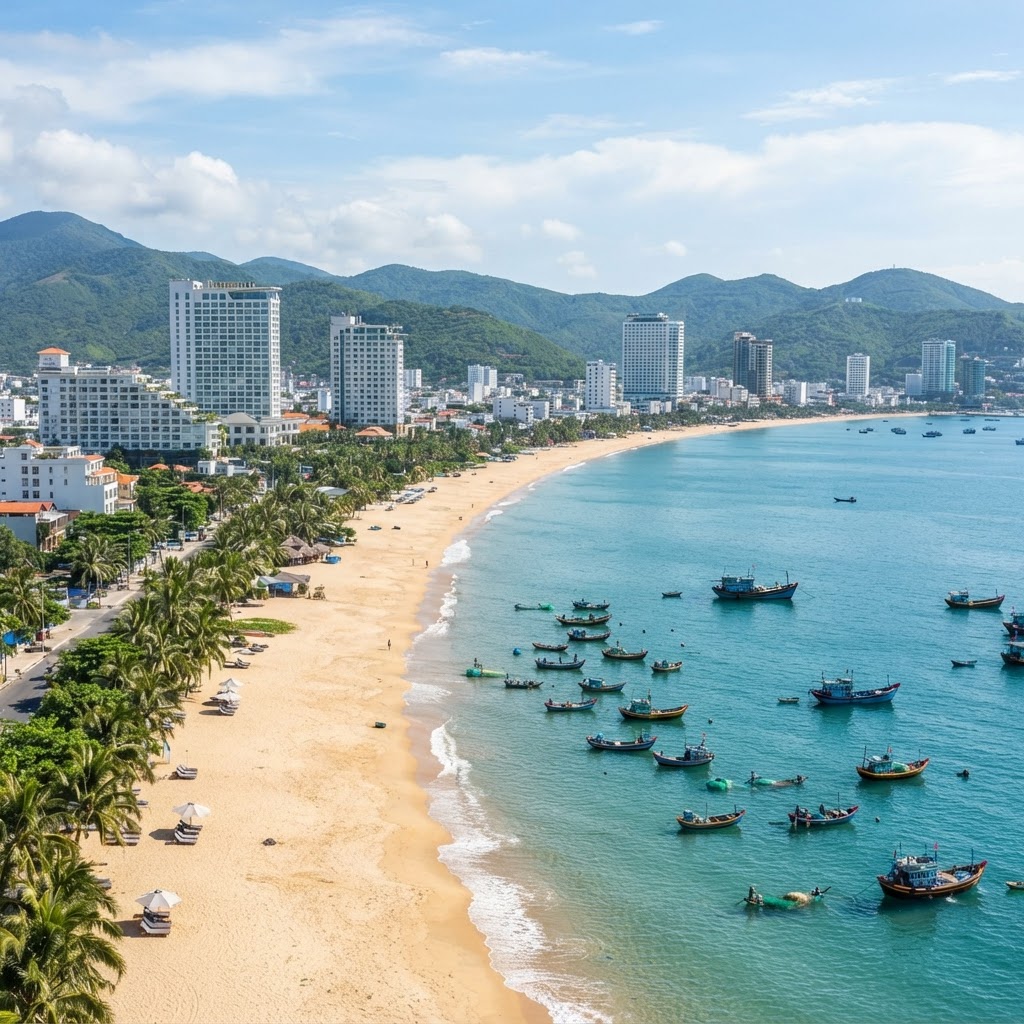
Nha Trang is on the south-central coast and has a tropical savanna climate — the driest of the coastal cities in this guide. The four seasons are not distinct; it has a long dry season and a shorter wet season. Typical temperatures range from about 21–33°C (70–91°F). Humidity is moderate compared to Ho Chi Minh City, and the rainiest months are October to December. For remote workers who want sunshine, Nha Trang offers the most dry, sunny weather of the six cities.
Spring (March–May)
Spring is warm, dry, and very sunny. Temperatures rise from around 24–28°C in March to 28–32°C by May. Rain is rare, skies are clear, and the beach is at its best. This is peak pleasant weather and ideal for outdoor work and water activities.
Summer (June–August)
Summer is hot, dry, and sunny — the driest summer of the cities here. Temperatures often reach 31–33°C (88–91°F). Humidity is lower than in the south, making the heat more bearable. Air conditioning is needed, but the coastal breeze helps. This is excellent beach weather.
Autumn (September–November)
Autumn is a transition into the wet season. September is still fairly dry, but rain increases in October and November. Temperatures ease to around 25–30°C (77–86°F). The south-central coast can occasionally be affected by tropical storms, though less frequently than the central coast around Da Nang and Hoi An.
Winter (December–February)
Winter is the rainiest period in Nha Trang — an unusual pattern compared to most of Vietnam. December can be wet, though January and February begin to dry out. Temperatures are mild, around 21–26°C (70–79°F). Heating is not needed. The rain is generally less intense than the central-coast autumn downpours.
What the Weather Means for Remote Workers
- Sunshine: The long dry season (roughly January–August) is a major advantage for sun-seekers.
- Air conditioning: Needed from May to September; light use in winter.
- Humidity: Lower than Ho Chi Minh City, which many find more comfortable.
- Wet season: October–December rain can affect outdoor plans; indoor coworking helps.
- Transportation: Motorbike travel is fine most of the year; rain gear for the wet season.
- Apartments: Sea-facing units get good breeze and ventilation; confirm storm readiness.
- Internet: Good and generally reliable; keep a mobile data backup for storms.
Da Lat Weather

Quick Climate Overview
Da Lat is in the Central Highlands at about 1,500 meters elevation, giving it a temperate highland climate — the coolest of the six cities. The four traditional seasons are not strongly marked; it is more often described as having a dry and a rainy season. Typical temperatures range from about 10–24°C (50–75°F) — mild to cool year-round. Humidity is moderate, and the rainiest months are May to October. For remote workers who dislike heat, Da Lat is Vietnam's best escape from the tropical lowlands.
Spring (March–May)
Spring is dry, mild, and sunny — one of the best times to visit. Temperatures range from around 15–24°C (59–75°F). Rain is limited, skies are clear, and flowers are blooming (Da Lat is famous for its flowers). This is comfortable, productive weather with little need for air conditioning.
Summer (June–August)
Summer is the rainy season. Afternoon showers and fog are common, and temperatures stay mild at around 16–22°C (61–72°F). It is not hot. Rain can disrupt outdoor plans and motorbike travel on winding mountain roads. Air conditioning is rarely needed; a light layer is often enough.
Autumn (September–November)
Autumn remains rainy early, then begins to dry. Temperatures stay mild, around 15–22°C (59–72°F). Fog is common, especially in the mornings. This is a quiet, atmospheric season. The transition toward the dry winter brings clearer skies by November.
Winter (December–February)
Winter is the coolest, driest period. Temperatures can drop to around 10–18°C (50–64°F), with cold mornings and evenings. Frost is rare but possible in the surrounding hills. Heating is often needed at night — portable heaters or warm bedding. Days are dry and often sunny once morning fog clears. This is comfortable for remote work but requires warm clothing.
What the Weather Means for Remote Workers
- Cool climate: A major draw for those who dislike heat — air conditioning is rarely needed.
- Heating: Needed on winter nights; confirm your accommodation has heating.
- Fog & rain: Common in the wet season; can affect driving and visibility on mountain roads.
- Laundry: Slow to dry in the wet season due to humidity and fog.
- Clothing: Pack layers and a warm jacket for winter; light clothing for warm afternoons.
- Apartments: Look for sunlight and insulation; some older homes are poorly insulated and feel cold.
- Internet: Good, but mountain weather can occasionally affect connections.
Month-by-Month Weather Comparison
This table shows the general weather progression across all six cities from January to December. Descriptions are short and easy to scan. Actual weather varies by year.
| Month | Ho Chi Minh City | Hanoi | Da Nang | Hoi An | Nha Trang | Da Lat |
|---|---|---|---|---|---|---|
| January | Cool, dry, pleasant | Cool, damp, grey | Mild, dry | Mild, dry | Mild, some rain | Cool, dry, foggy |
| February | Dry, warming | Cool, damp, drizzle | Mild, dry | Mild, dry | Drying, sunny | Cool, dry |
| March | Hot, dry | Mild, fog, drizzle | Warm, dry, sunny | Warm, dry, sunny | Warm, dry, sunny | Dry, mild, sunny |
| April | Hottest, dry | Warm, humid | Warm, dry | Warm, dry | Hot, dry, sunny | Dry, mild, sunny |
| May | Hot, rains begin | Hot, rains begin | Hot, dry | Hot, dry | Hot, dry | Rains begin, mild |
| June | Hot, rainy | Hot, rainy, storms | Hot, mostly dry | Hot, humid | Hot, dry | Rainy, cool |
| July | Hot, rainy | Hot, rainy, storms | Hot, humid | Hot, humid, rain | Hot, dry | Rainy, cool, fog |
| August | Hot, rainy | Hot, rainy, storms | Hot, humid, rain | Hot, rainy | Hot, dry | Rainy, cool, fog |
| September | Rainy, warm | Warm, rain easing | Heavy rain, storms | Heavy rain, floods | Rain increasing | Rainy, mild |
| October | Rainy, warm | Pleasant, mild | Heavy rain, typhoons | Very wet, floods | Rainy | Rainy, mild, fog |
| November | Drying, warm | Cool, pleasant | Rain easing | Rain easing, floods | Rainy | Drying, mild |
| December | Cool, dry, pleasant | Cool, damp, grey | Mild, dry | Mild, dry | Rainy, mild | Cool, dry, foggy |
Which Vietnamese Climate Is Right for You?
Vietnam's climate varies enough that different cities suit different preferences. These are climate preferences, not rankings — no single city has "perfect" weather for everyone.
- If you prefer cooler weather: Da Lat offers the coolest climate year-round, and Hanoi has a genuine winter. Both can require warm clothing at times.
- If you prefer hot weather: Ho Chi Minh City is hot most of the year, and Nha Trang has a long, hot, sunny dry season.
- If you dislike humidity: Da Lat is the least humid option. Nha Trang is drier than Ho Chi Minh City during its long dry season.
- If you prefer a pronounced winter: Hanoi is the clearest choice — it is one of the few places in Vietnam with a real, cool winter.
- If you prefer warm weather year-round: Ho Chi Minh City and Nha Trang stay warm throughout the year without a cold season.
- If you want less rain: Nha Trang has the longest dry season, and Da Nang and Hoi An are dry from roughly February to August.
- If you enjoy tropical weather: Ho Chi Minh City delivers a classic tropical wet-and-dry climate with dramatic monsoon rains.
- If you want a beach lifestyle with mild weather: Da Nang offers a long dry season and mild winters, though autumn storms are a trade-off.
To compare these cities on cost of living, culture, internet, and lifestyle — not just weather — see our full Vietnam City Comparison guide.
Weather Safety in Vietnam
Vietnam's weather is generally manageable, but certain conditions require caution. Weather conditions can vary from year to year, and residents should monitor current Vietnamese weather forecasts and official warnings.
- Heavy rain & flooding: Sudden downpours can flood streets quickly, especially in Ho Chi Minh City, Hoi An, and parts of Hanoi. Avoid driving through flooded roads and move to higher ground when needed.
- Tropical storms & typhoons: The central coast (Da Nang, Hoi An, and sometimes Nha Trang) is most affected from roughly September to November. Follow official warnings and evacuation orders.
- Lightning: Afternoon thunderstorms bring frequent lightning. Avoid open areas, water, and tall objects during storms.
- Extreme heat: April and May can be dangerously hot, especially in Ho Chi Minh City and Hanoi. Stay hydrated, avoid midday sun, and use air conditioning.
- Heat-related dehydration: High humidity makes sweating less effective. Drink water regularly, especially when working outdoors or traveling by motorbike.
- Road conditions during heavy rain: Wet roads are slippery and visibility drops. Drive slowly, use lights, and consider ride-hailing apps instead of riding yourself during storms.
- Power & internet outages: Severe storms can briefly disrupt electricity and internet. Keep a charged power bank, a flashlight, and a mobile data backup.
For practical safety tips when arriving in Vietnam, see our Airport Arrival Safety guide.
Frequently Asked Questions
Does Vietnam have four seasons?
Vietnam's climate varies by region. Northern Vietnam (including Hanoi) has a clear four-season pattern — spring, summer, autumn, and winter. Central and southern Vietnam are generally better described by dry and rainy seasons, because the traditional four temperate seasons are much less distinct there.
Which part of Vietnam has four distinct seasons?
Northern Vietnam, especially Hanoi and the surrounding Red River Delta, has the clearest four distinct seasons, including a cool winter. The Central Highlands city of Da Lat is mild year-round but is better described by dry and rainy seasons than by four temperate seasons.
What is Vietnam's weather like throughout the year?
Vietnam's weather ranges from cool, damp winters in the north to hot, humid tropical conditions in the south. The north has four seasons, while the center and south have wet and dry seasons. Temperatures typically range from about 10–35°C (50–95°F) depending on region and season.
Which Vietnamese cities have the coolest weather?
Da Lat is the coolest city year-round thanks to its highland elevation, with typical temperatures of 10–24°C (50–75°F). Hanoi has the coolest winter of the lowland cities, with temperatures that can drop near 10°C (50°F) in January.
When is the rainy season in Vietnam?
The rainy season depends on the region. In Ho Chi Minh City and the south, it runs roughly May to October. In Hanoi and the north, it is May to September. In Da Nang and Hoi An, the heaviest rain is September to November. In Nha Trang, the wettest months are October to December.
When is the dry season in Vietnam?
The dry season also varies by region. In Ho Chi Minh City, it is roughly December to April. In Hanoi, November to March. In Da Nang and Hoi An, January to August. In Nha Trang, the dry season is long — roughly January to August.
What is the hottest time of year in Vietnam?
The hottest months are typically April and May in the south (Ho Chi Minh City) and June and July in the north (Hanoi) and center (Da Nang, Hoi An). Nha Trang is hottest from June to August. Da Lat stays mild even in its warmest months.
What is the coldest month in northern Vietnam?
January is usually the coldest month in northern Vietnam, including Hanoi. Typical temperatures range from about 14–20°C (57–68°F), with occasional colder spells dropping near 10°C (50°F) or lower.
Does Vietnam get typhoons?
Yes. The central coast of Vietnam, including Da Nang and Hoi An, is most affected by typhoons, mainly from September to November. Ho Chi Minh City and the far south are less frequently affected. Residents should monitor official warnings during typhoon season.
Which months are the rainiest in Vietnam?
It depends on the region. The rainiest months are June to September in Hanoi, May to October in Ho Chi Minh City, September to November in Da Nang and Hoi An, and October to December in Nha Trang.
Is Vietnam too humid for remote workers?
Most of Vietnam is humid, but it is manageable with air conditioning and dehumidifiers. Da Lat is the least humid option. Ho Chi Minh City and Hanoi are the most humid. Many remote workers adapt by working from air-conditioned cafes and coworking spaces during the hottest parts of the day.
What should I pack for living in Vietnam year-round?
Pack light, breathable clothing for hot humid weather, rain gear for the wet season, and a warm jacket and layers if you will live in or visit Hanoi or Da Lat in winter. Include a good umbrella, quick-dry clothes, and comfortable shoes. If you are sensitive to air quality, consider a mask for Hanoi's winter.
Sources and References
The climate information in this article is based on typical long-term climate patterns for each region of Vietnam. Actual weather can vary from year to year and by specific location within a city. For current forecasts and warnings, consult official Vietnamese sources.
- Vietnam National Authority of Tourism (VNAT): vietnamtourism.gov.vn
- Vietnam Meteorological and Hydrological Administration (under the Ministry of Natural Resources and Environment): kttvnb.gov.vn
- Ministry of Natural Resources and Environment (MONRE): monre.gov.vn
- National Center for Hydro-Meteorological Forecasting (NCHMF): nchmf.gov.vn
- Vietnamese Government Portal: chinhphu.vn
Note: Weather patterns are based on typical historical climate conditions. Actual weather can vary from year to year. Always monitor current Vietnamese weather forecasts and official warnings before making travel or safety decisions.
Planning to Live in Vietnam?
Understanding Vietnam's regional weather patterns can be just as important as comparing housing, transportation, cost of living, internet access, and other factors when choosing where to live. A city that looks ideal on price may have a climate that does not suit you, and vice versa.
Use this weather guide alongside our other resources to make an informed choice:
- Compare all six cities on cost, culture, internet, and lifestyle in our Vietnam City Comparison guide.
- Learn about long-term stays in our Vietnam residency guide.
- Explore remote work realities in our working abroad in Vietnam guide.
- Get the apps you will need with our essential apps for Vietnam list.
- Manage your money with our banking guide and money transfers guide.
- Arrive safely with our airport arrival safety guide.
There is no single "best" climate in Vietnam — only the climate that best fits your preferences and the way you want to live and work. Compare the information above according to your own needs, and you will have a clearer picture of what to expect throughout the year.
Last Updated: September 2026
This article is provided for general informational purposes and is not professional weather or safety advice. Always consult official Vietnamese meteorological sources for current forecasts and warnings.