

I have taken long-distance buses in both Vietnam and the United States, and the experience could not be more different. A Vietnam sleeper bus and a Greyhound coach are built for the same basic purpose — moving people from one city to another — but they approach the job in completely different ways. If you are considering living in Vietnam or just traveling through, the sleeper bus is one of the most distinctive transportation experiences you will have.
Quick Answer: Is a Vietnam Sleeper Bus Good for Tall Travelers?
Vietnam sleeper buses are designed around compact sleeping berths. Travelers around 5'6" (168 cm) or shorter may find them easier to sleep in, while taller travelers may have difficulty fully stretching out. Berth dimensions vary by operator, so taller travelers should check the specific bus before booking.
What Is a Vietnam Sleeper Bus?
A sleeper bus in Vietnam is a long-distance coach designed not for sitting, but for lying down. Instead of rows of upright seats, the interior is filled with sleeping berths — narrow, padded platforms arranged in two or three levels. You take off your shoes, climb into your berth, and try to sleep your way to the next city.
For anyone used to conventional Western bus travel, the first time you step onto a Vietnamese sleeper bus is a surprise. It looks more like a rolling hostel than a bus. The berths are compact, the aisles are narrow, and the whole setup is built around the idea that you will spend the trip horizontal rather than vertical.
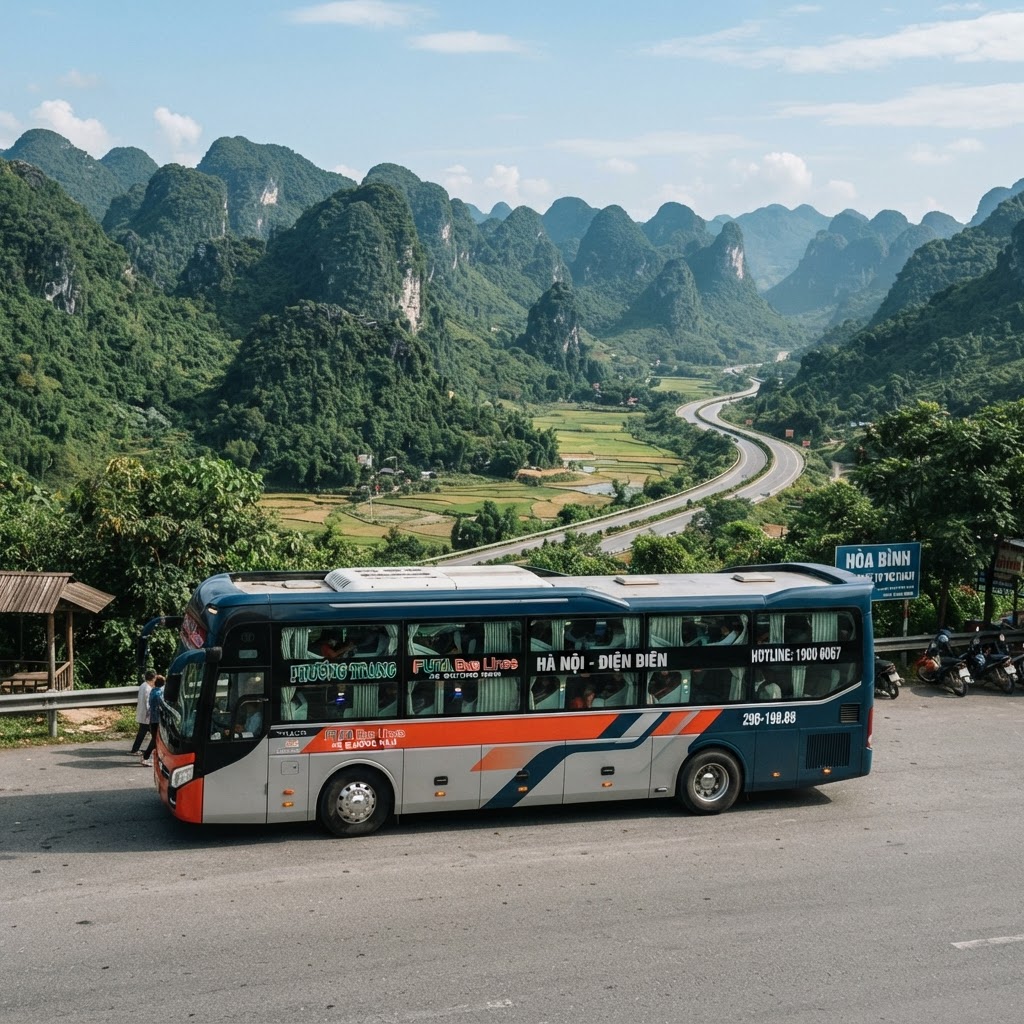
The Vietnam Sleeper Bus Experience
The Vietnam sleeper bus experience starts with removing your shoes at the door. You are usually handed a thin blanket and shown to your assigned berth. The berths are stacked in levels — sometimes two, sometimes three — and you climb in, lie down, and settle in for the ride.
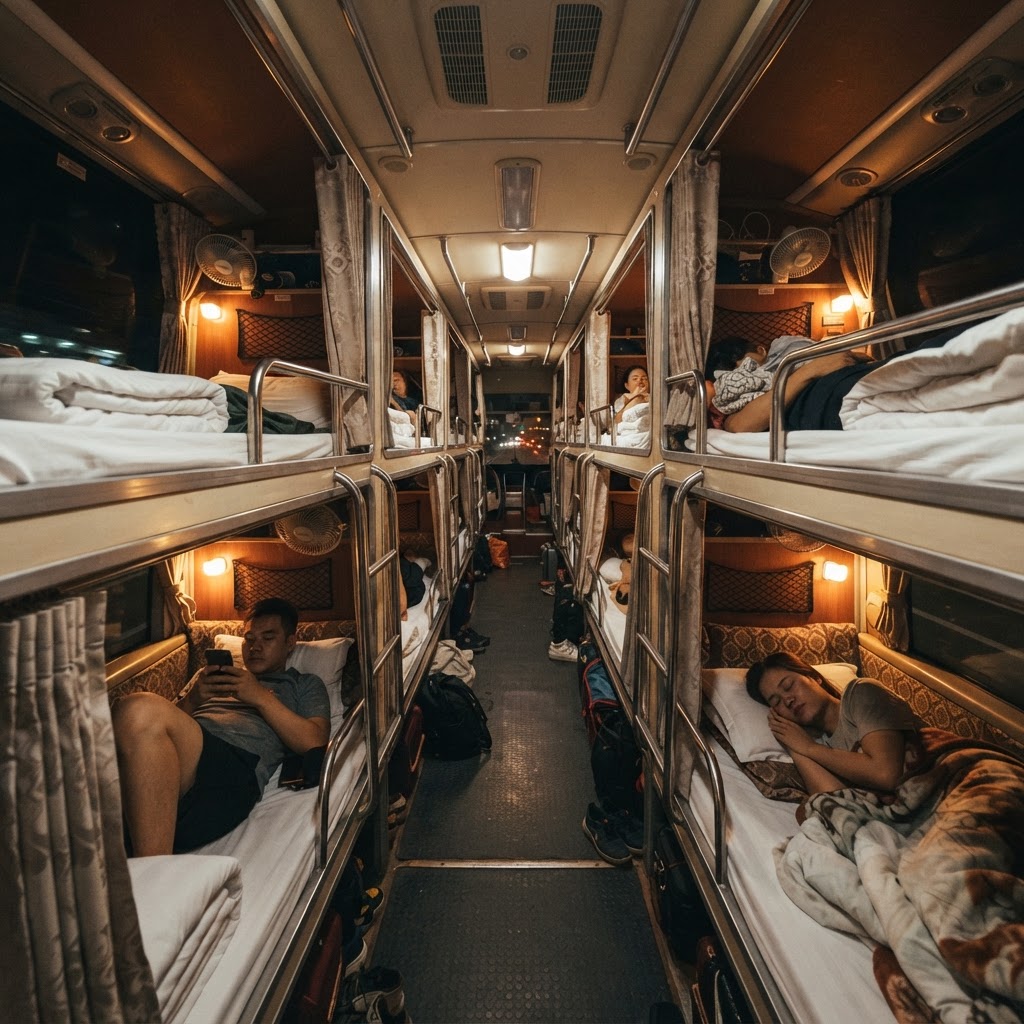
Each berth has a small pillow, a thin mattress pad, and sometimes a personal light and a privacy curtain. The space is functional, not luxurious. But the concept is genuinely practical: instead of trying to sleep sitting up, you actually get to lie down. For an overnight trip, that makes a big difference.
Sleeping Space and Berth Size
This is where height becomes important. The sleeping berths on a Vietnam sleeper bus are compact. They are designed for the average Vietnamese traveler, and the dimensions reflect that. The berths are relatively short and relatively narrow.
Based on my experience and the typical berth dimensions I have seen, travelers around 5'6" (168 cm) or shorter tend to have an easier time sleeping comfortably. If you are taller than that, you may find your feet pressing against the end of the berth, or you may need to bend your knees to fit.
I want to be clear: 5'6" is not an official industry cutoff. Berth sizes vary between operators and bus models. Some newer buses may have slightly longer berths, while older ones may be more compact. The point is that if you are tall, you should not assume the berth will fit you — check before you book, or at least be prepared for a tight fit.
How Long Are Vietnam Sleeper Bus Beds?
There is no universal standard berth length, which is part of the challenge. In my experience, the sleeping berths are roughly in the range of about 5'3" to 5'8" (160–172 cm) in length, but this is an estimate based on personal observation, not an official specification. Some berths may be shorter or longer depending on the bus model and operator.
If berth length is a concern for you, the best approach is to ask the operator or booking platform about the specific bus you will be on. Many Vietnamese booking sites show the bus model and sometimes the berth layout, which can give you a better idea of what to expect.
The Greyhound Experience
Now compare that to Greyhound, the intercity bus service most Americans know. A Greyhound bus is designed for seated travel. You sit in a reclining seat, not a bed. The seats are reasonably comfortable for daytime travel, and they recline to some degree, but you are still sitting upright — or close to it — for the entire trip.
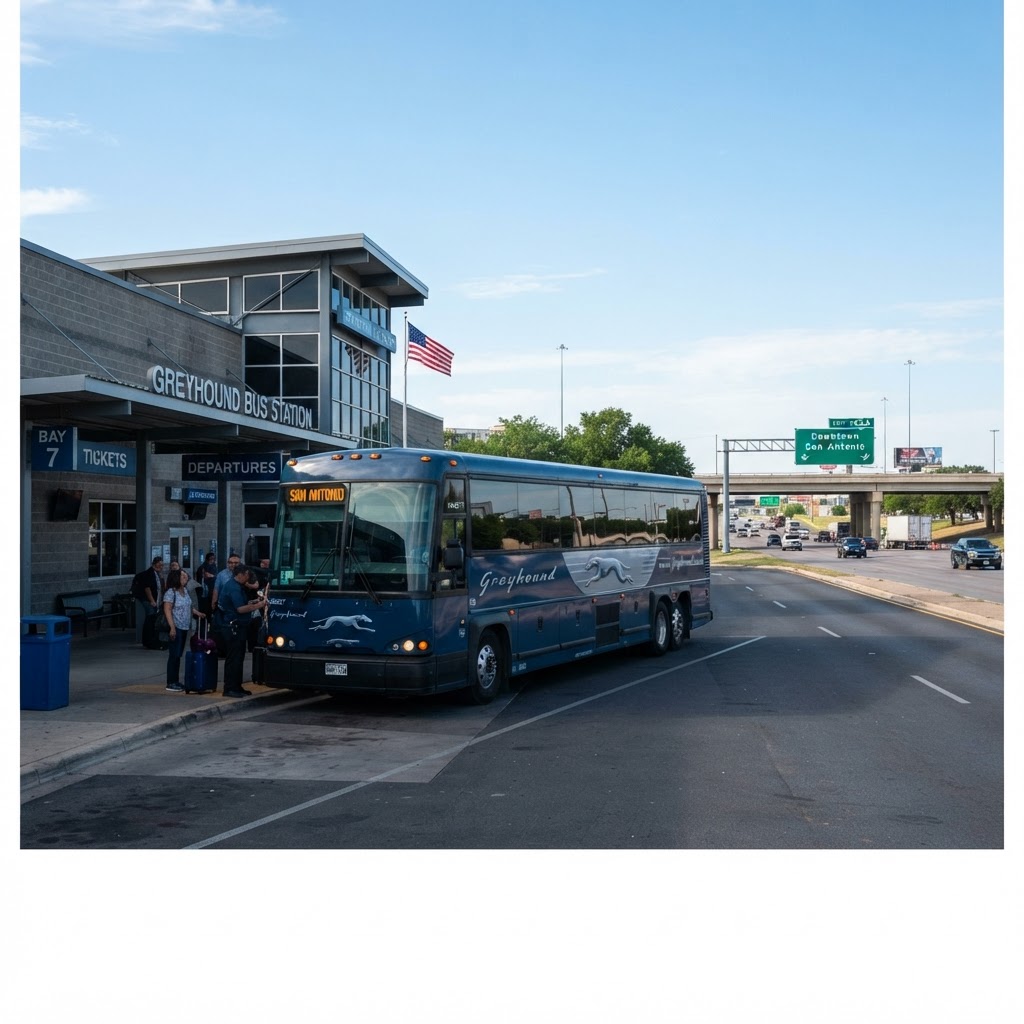
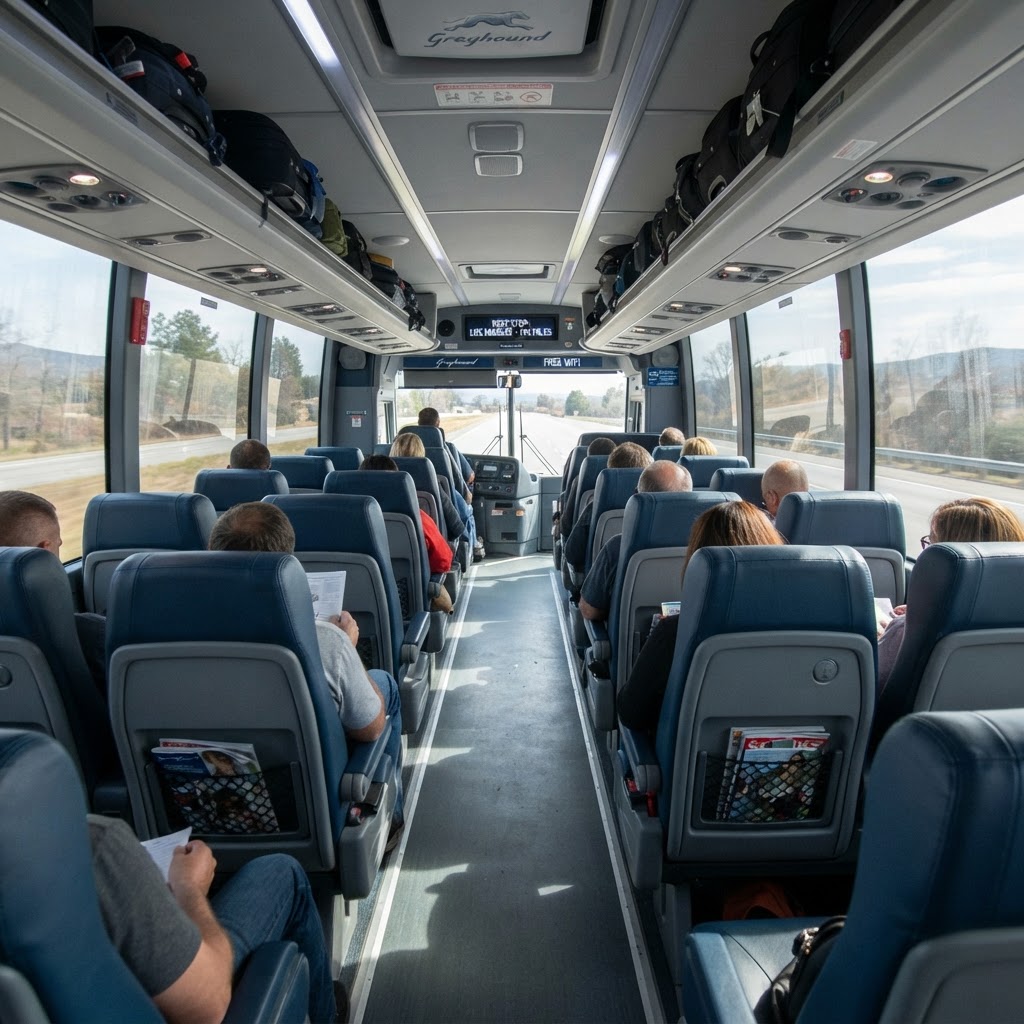
Greyhound does operate overnight routes, and plenty of people sleep on them. But you are sleeping in a seated, reclined position — not lying flat. For shorter trips, this is fine. For longer overnight trips, it can get uncomfortable, especially if you are tall and your legs do not have much room.
You can learn more about Greyhound services and routes on their official website.
Vietnam Sleeper Bus vs Greyhound: Key Differences
| Feature | Vietnam Sleeper Bus | Greyhound |
|---|---|---|
| Primary design | Sleeping berths (lie flat) | Reclining seats (upright) |
| Best for | Overnight long-distance travel | Daytime and some overnight routes |
| Sleeping position | Horizontal, in a berth | Reclined, in a seat |
| Space per passenger | Compact berth — width and length limited | Standard seat width — legroom varies |
| Height consideration | Berth length matters — taller travelers may not fit fully | Legroom matters — but you can sit up if needed |
| Shoes | Removed at the door | Kept on |
| Privacy | Some berths have curtains | No curtains — open seating |
| Typical use case | Overnight travel between Vietnamese cities | Intercity travel across the United States |
At a Glance: Two Different Approaches
Vietnam Sleeper Bus
- Individual sleeping berth
- Designed for overnight travel
- Compact sleeping space
- Height can be an important consideration
Greyhound
- Conventional reclining seat
- Designed for seated travel
- More conventional passenger layout
- Overnight routes are available
Are Vietnam Sleeper Buses Comfortable?
Comfort on a Vietnam sleeper bus depends a lot on your size, your expectations, and the specific bus. For shorter travelers, the berths can be surprisingly comfortable — you get to lie down, you get a blanket, and you can actually sleep through an overnight trip. That is something you simply cannot do on a Greyhound.
For taller travelers, the experience can be more of a mixed bag. The berth may be too short to fully stretch out, and the narrow width can feel confining. It is not painful, but it is not the kind of space where you can roll over freely.
The ride itself is generally smooth, though Vietnam's roads can be bumpy in places. The bus may make stops, the driver may honk frequently, and the air conditioning can sometimes be quite cold — so bringing layers is a good idea.
What to Bring on a Vietnam Sleeper Bus
- A warm layer or light jacket — the air conditioning can be very cold.
- Earplugs or noise-canceling headphones — the road and other passengers can be noisy.
- An eye mask — interior lights may turn on at stops.
- A small pillow or neck pillow — the provided pillow is thin.
- Slip-on shoes — you will take your shoes off at the door.
- A power bank — some buses have outlets, but not all work.
- Snacks and water — the bus may stop, but it is good to have your own.
Traveling Vietnam by Bus
Taking a sleeper bus is one of the most common ways to travel between Vietnamese cities. It is affordable, it covers long distances, and for many routes it is simply the most practical option. If you are working in Vietnam or spending extended time in the country, you will likely take a sleeper bus at some point.
For managing your money while traveling — including getting Vietnamese dong and transferring funds — check out our guides on banking and money transfers. And for a broader collection of resources, visit our resource library.
The Bottom Line
Vietnam sleeper buses are a fascinating and practical way to travel, but your height can have a major impact on how well you sleep. If you are around 5'6" or below, the sleeping berth may work very well. Taller travelers should check the dimensions before booking — or at least go in with realistic expectations.
Neither a Vietnam sleeper bus nor a Greyhound is objectively better. They are just built for different things. The sleeper bus is built for sleeping. Greyhound is built for sitting. Which one works better for you depends on the trip, your size, and what you value more — lying flat or sitting up with more personal space.
Frequently Asked Questions
What is a sleeper bus in Vietnam?
A sleeper bus in Vietnam is a long-distance coach designed for lying down instead of sitting. The interior has stacked sleeping berths — narrow, padded platforms arranged in two or three levels — so passengers can sleep through overnight trips between cities.
Are Vietnam sleeper buses comfortable?
Vietnam sleeper buses can be comfortable for shorter travelers, since you get to lie flat instead of sitting upright. Comfort depends on your size, the specific bus, and the berth dimensions. Taller travelers may find the berths too short or narrow.
Are Vietnam sleeper buses good for tall people?
Taller travelers may find Vietnam sleeper bus berths too short to fully stretch out. Based on typical berth dimensions, travelers around 5'6" (168 cm) or shorter tend to have an easier time. Taller travelers should check the specific berth dimensions before booking.
How long are sleeper bus beds in Vietnam?
There is no universal standard berth length. In practice, the berths are roughly in the range of about 5'3" to 5'8" (160–172 cm) long, but this varies by operator and bus model. Check with the booking platform or operator for the specific bus you will be on.
Is a Vietnam sleeper bus better than Greyhound?
Neither is objectively better — they serve different purposes. A Vietnam sleeper bus is designed for lying down and sleeping, while a Greyhound is designed for seated travel with reclining seats. The sleeper bus may be better for overnight trips, while Greyhound offers more personal space for seated travel.
Can you sleep on a Vietnam sleeper bus?
Yes, sleeping is the whole point. You lie down in a padded berth with a blanket and pillow, and many passengers sleep through the trip. How well you sleep depends on the berth size, road conditions, noise, and your own comfort with compact spaces.
What should I bring on a Vietnam sleeper bus?
Bring a warm layer for the air conditioning, earplugs or headphones for noise, an eye mask, a small pillow, slip-on shoes (you remove them at the door), a power bank, and snacks and water. These items make the trip much more comfortable.
Are Vietnam sleeper buses good for overnight travel?
Yes, Vietnam sleeper buses are specifically designed for overnight travel. The lie-flat berths make them well-suited for long-distance overnight routes between cities, especially compared to a conventional seated bus where you would have to sleep sitting up.
Planning your life in Vietnam?
Explore more Remote Life Vietnam guides covering transportation, housing, banking, communication, working remotely, and everyday life in Vietnam. Whether you are visiting or planning a longer stay, we have practical resources to help you navigate it.