
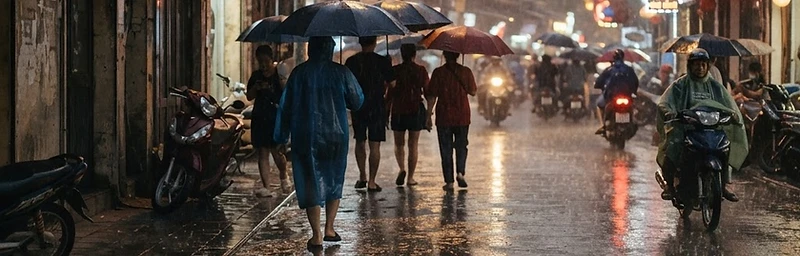
Cover image: A Vietnamese city street during an off-season rain shower, with wet pavement reflecting warm streetlights.
Quick Answer: What Is Off-Season Travel in Vietnam?
Vietnam has no single nationwide off season. The north, central coast, central highlands, and south each follow different rainfall and temperature patterns, so a "low season" in one region can overlap with good weather in another. Off-season travel generally means visiting during periods of lower tourist demand — which may bring fewer crowds and better accommodation availability, and sometimes (not always) lower prices. The terms off season, rainy season, shoulder season, and peak season are not interchangeable, and this guide explains the difference for each of Vietnam's major expat cities: Ho Chi Minh City, Hanoi, Da Nang, Hoi An, Nha Trang, and Da Lat.
For Americans planning a trip — whether a short vacation, a digital-nomad trial run, a scouting visit before relocating, or a longer retirement stay — understanding Vietnam's seasonal patterns helps you choose where and when to go. This guide covers the six cities featured in our Vietnam city comparison, breaking down what off-season travel actually looks like in each one.
Important: This article describes typical seasonal climate patterns, not weather forecasts. Actual conditions vary from year to year and even week to week. Before any trip, check a reliable short-term forecast for your specific destination and dates.
Weather Symbol Legend
Throughout this guide we use simple symbols to describe general seasonal conditions:
- ☀️ Drier conditions — lower rainfall expected for that period.
- 🌦️ Mixed / shoulder conditions — some rain possible, but generally manageable.
- 🌧️ Wetter conditions — higher rainfall typical for that period.
- ⛈️ Higher storm potential — increased chance of tropical storms or rough seas.
These symbols describe typical patterns, not guarantees. Rainy season does not mean every day is a washout — see the city-by-city notes below.
Section 1 — What Does "Off Season" Mean in Vietnam?
"Off season" generally refers to periods when visitor demand is lower. In Vietnam, lower demand does not necessarily mean bad weather. A region can be in its rainy season while still offering warm temperatures, lush scenery, and plenty of usable daylight between showers.
Key points to understand:
- There is no single off season for the entire country. Northern, central, highland, and southern Vietnam experience different rainfall and temperature cycles.
- Weather varies significantly by region. One city may see heavy rain while another stays relatively dry the same week.
- Some destinations overlap in favorable weather. When the central coast is wet, the south or highlands may be drier, and vice versa.
- Travelers willing to accept occasional rain may find fewer crowds, better accommodation availability, and a more relaxed pace.
- Weather changes year to year. Always check a short-term forecast before departure rather than relying only on seasonal averages.
The four terms travelers encounter are not interchangeable:
- Off season — a period of generally lower tourist demand (which may or may not coincide with the rainiest weather).
- Rainy season — the months when a region typically receives the most rainfall.
- Shoulder season — the transition period between peak and off seasons, often a good balance of decent weather and fewer crowds.
- Peak travel season — the months of highest demand, usually tied to the most favorable weather or major holidays.
Section 2 — Off-Season Travel by City
Below is a dedicated breakdown for every city on our Vietnam city comparison page: Ho Chi Minh City, Hanoi, Da Nang, Hoi An, Nha Trang, and Da Lat.
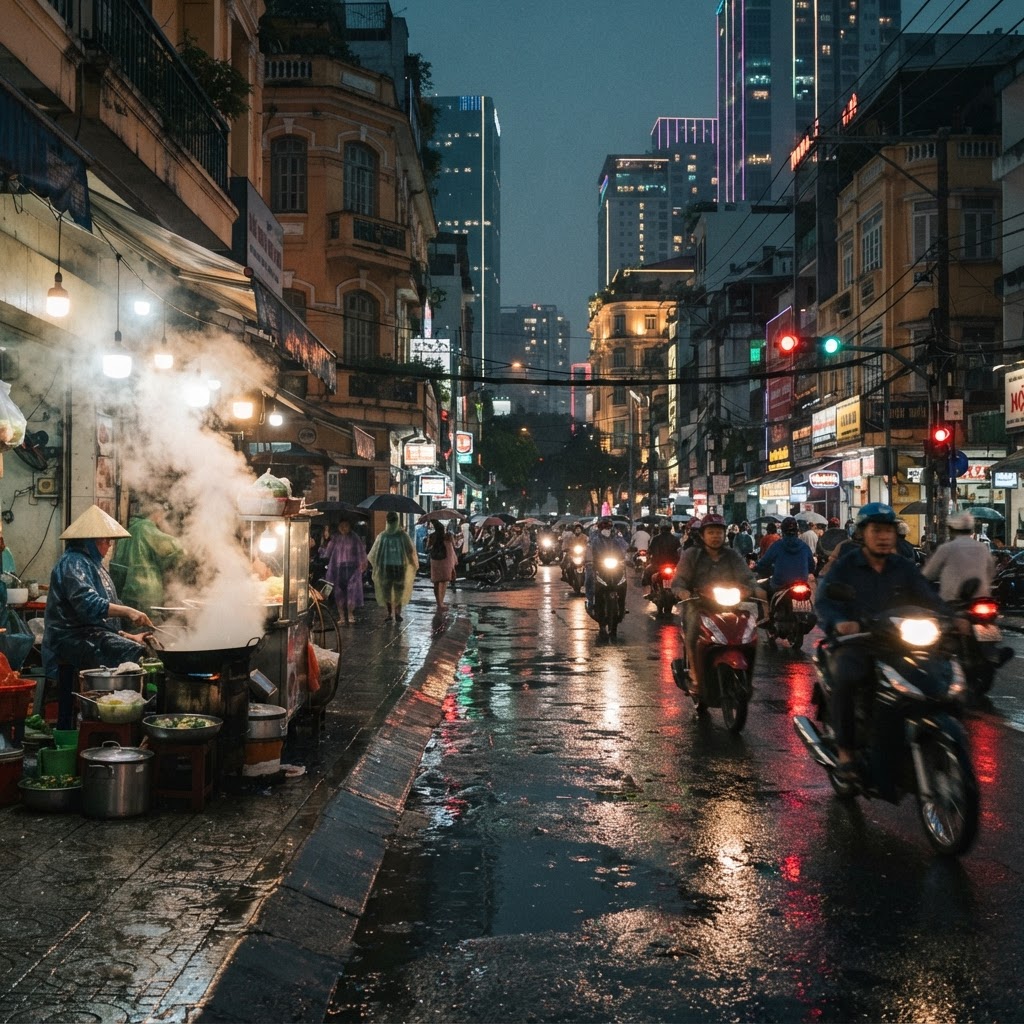
Ho Chi Minh City
- Typical peak travel period: December–February (cooler, drier).
- Typical off-season / lower-demand period: May–October (wet season). 🌧️
- Shoulder-season opportunities: November and April — transitioning between wet and dry. 🌦️
- Typical weather during the off-season: Hot, humid, with short heavy showers — often in the late afternoon or evening rather than continuous all-day rain.
- Temperature expectations: Roughly 25–35°C (77–95°F) year-round; off-season months tend toward the warmer end.
- Rainfall expectations: High during May–October, but rain frequently arrives in short, intense bursts followed by clearing.
- Humidity expectations: High throughout the wet season.
- Storms / flooding: Occasional street flooding during heavy downpours is possible; tropical weather is less common this far south but can occur.
- A normal day: Warm and humid mornings, sunshine midday, a heavy shower (often late afternoon), then clearing or continued warmth.
- Advantages of off-season visits: Fewer tourists, more hotel availability, lush greenery, dramatic cloud formations, lively café culture.
- Potential disadvantages: Heat and humidity, sudden downpours, possible localized street flooding, wet roads.
- Best activities: Cafés, food tours, museums, shopping malls, cooking classes, coworking, evening street food.
- What to pack: Compact umbrella, quick-dry clothing, waterproof footwear, waterproof phone pouch, light rain jacket.
- Best suited to: City vacation, digital-nomad / long-stay travel, food and café travel.
- Flexibility recommendation: Keep outdoor sightseeing flexible and schedule it earlier in the day; keep indoor backups handy.
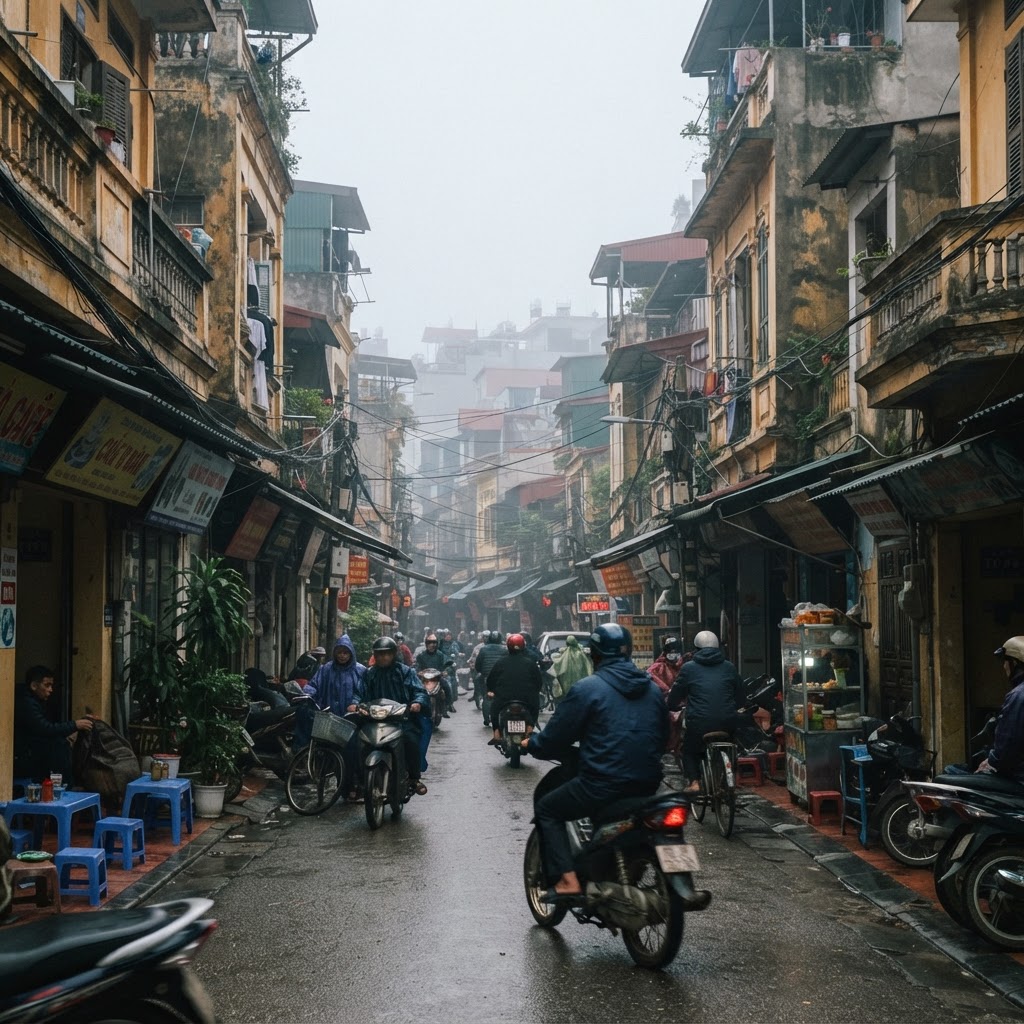
Hanoi
- Typical peak travel period: October–April (cooler, drier autumn–winter); spring also popular.
- Typical off-season / lower-demand period: June–August (hot, humid, rainy summer). 🌧️
- Shoulder-season opportunities: September–October (autumn) and April (spring) — often considered the most pleasant. 🌦️
- Typical weather during the off-season: Hot and humid with summer rain, occasional thunderstorms; winter (Dec–Feb) is cool and damp rather than rainy.
- Temperature expectations: Summer ~28–35°C (82–95°F); winter can drop to ~10–14°C (50–57°F), feeling colder due to dampness.
- Rainfall expectations: Highest May–September; winter is relatively dry but drizzly and misty.
- Humidity expectations: High year-round; winter dampness can feel cold and penetrating.
- Storms / flooding: Summer thunderstorms possible; occasional localized flooding. Winter brings mist and fog rather than storms.
- A normal day (summer): Warm humid morning, hot midday, afternoon or evening thunderstorm, then warm night.
- Advantages of off-season visits: Fewer crowds at major sites, lower demand outside peak autumn, atmospheric mist/fog for photography.
- Potential disadvantages: Summer heat and humidity, winter cold/damp (many buildings lack central heating), air quality can decline in winter.
- Best activities: Museums, Old Quarter cafés, temples, historical sites, food tours, indoor markets.
- What to pack: Summer: umbrella, quick-dry clothes, rain jacket. Winter: warm layers, light jacket, closed shoes.
- Best suited to: Cultural travel, city vacation, food and café travel, digital-nomad / long-stay travel.
- Flexibility recommendation: In summer, plan outdoor walks for mornings; in winter, bring layers for unheated indoor spaces.
Da Nang
- Typical peak travel period: February–August (dry, warm beach season).
- Typical off-season / lower-demand period: September–November (wet season, typhoon risk). ⛈️
- Shoulder-season opportunities: Late August–early September and December — transitions. 🌦️
- Typical weather during the off-season: Rain increasing through autumn, with the highest storm potential of the six cities.
- Temperature expectations: Warm year-round; off-season ~24–30°C (75–86°F).
- Rainfall expectations: High September–November; drier December–July.
- Humidity expectations: High during wet months.
- Storms / flooding: This is the key concern — the central coast can experience tropical storms and typhoons in autumn, with rough seas and possible coastal flooding.
- A normal day (wet season): Overcast mornings, rain periods (sometimes prolonged), intermittent breaks; beach conditions poor during storms.
- Advantages of off-season visits: Far fewer crowds, lower accommodation demand, dramatic coastal skies, very relaxed pace.
- Potential disadvantages: Tropical storms, rough seas, cancelled boat/island trips, beach days limited, possible flooding.
- Best activities: Museums, indoor markets, cafés, spas, cooking classes — and beach days only during confirmed calm windows.
- What to pack: Rain jacket, umbrella, waterproof footwear, dry bag, quick-dry clothing; monitor storm warnings before coastal trips.
- Best suited to: Beach vacation (in season), city vacation, family travel, digital-nomad / long-stay travel.
- Flexibility recommendation: Be highly flexible in autumn — keep coastal/island excursions movable and check storm warnings.
Hoi An
- Typical peak travel period: February–August (dry, warm).
- Typical off-season / lower-demand period: October–November (wettest, flooding risk). 🌧️
- Shoulder-season opportunities: September and December. 🌦️
- Typical weather during the off-season: Warm with periods of heavy rain; the old town is low-lying and can flood in peak wet months.
- Temperature expectations: ~24–32°C (75–90°F) year-round.
- Rainfall expectations: Highest October–November; flooding in the heritage old town is known to occur.
- Humidity expectations: High during wet months.
- Storms / flooding: Possible typhoon influence; old-town flooding is the main practical concern.
- A normal day (wet season): Overcast with rain periods; sometimes flooded streets in the heritage core; surrounding countryside lush and green.
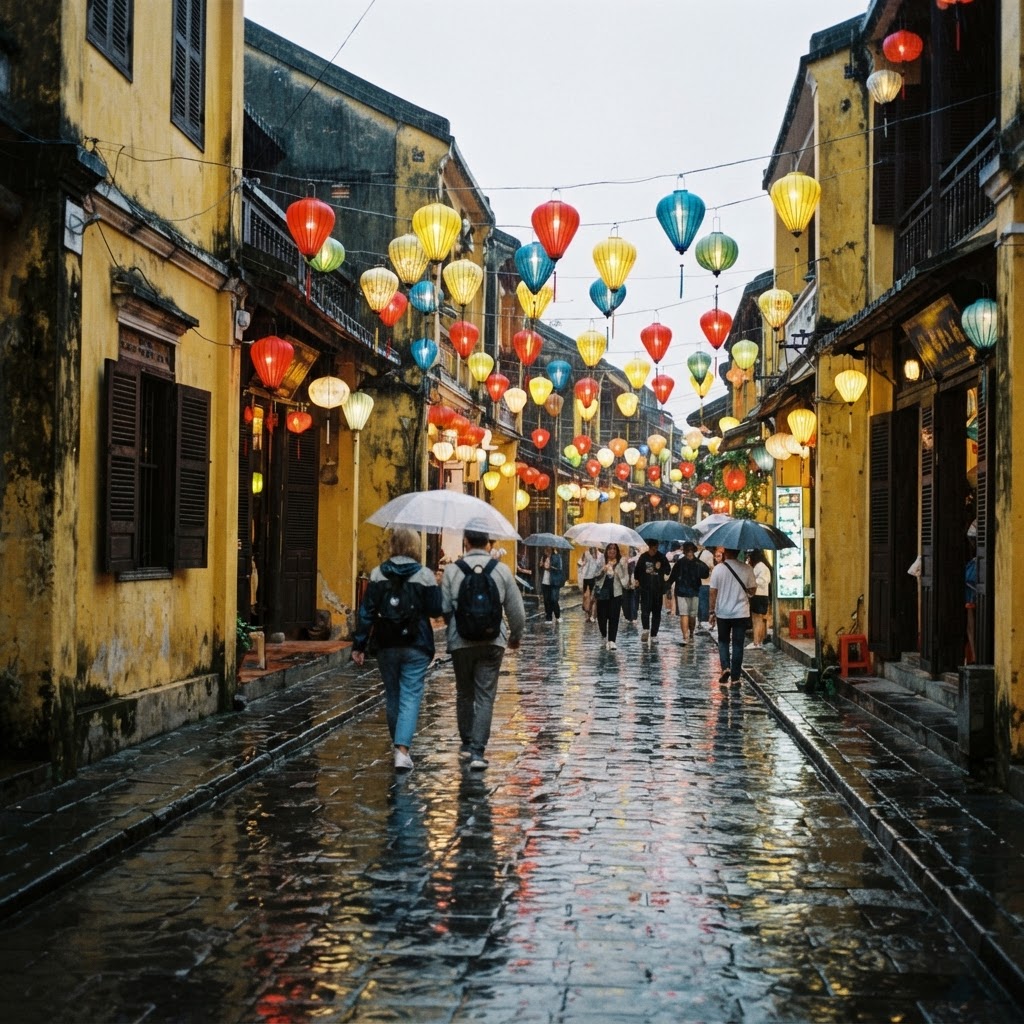
- Advantages of off-season visits: Far fewer tourists, lantern-lit streets in the rain are uniquely atmospheric, very affordable, lush countryside.
- Potential disadvantages: Flooding can limit walking in the old town, boat trips may cancel, some businesses reduce hours.
- Best activities: Cafés, cooking classes, tailoring (indoor), spa, photography of rain-soaked lantern streets, nearby Da Nang amenities.
- What to pack: Umbrella, waterproof footwear (essential for possible flooding), dry bag, quick-dry clothes, insect repellent.
- Best suited to: Cultural travel, slow / long-stay travel, food and café travel.
- Flexibility recommendation: If visiting Oct–Nov, stay in higher-ground accommodation and keep itineraries movable; Da Nang (45 min away) offers backup options.
Nha Trang
- Typical peak travel period: January–August (dry, sunny).
- Typical off-season / lower-demand period: October–December (wettest). 🌧️
- Shoulder-season opportunities: September. 🌦️
- Typical weather during the off-season: Nha Trang is one of Vietnam's driest cities, but its short wet season (roughly Oct–Dec) brings the most rain of the year here.
- Temperature expectations: Warm year-round; ~24–32°C (75–90°F).
- Rainfall expectations: Low for most of the year; higher Oct–December, sometimes with prolonged rain rather than short showers.
- Humidity expectations: Moderate to high during wet months.
- Storms / flooding: Occasional tropical weather; rough seas can limit diving and boat trips in the wet months.
- A normal day (wet season): Overcast with longer rain periods than the south; beach conditions decline during storms.
- Advantages of off-season visits: Very few crowds, cheapest rates, relaxed beach town feel, warm ocean when seas are calm.
- Potential disadvantages: Rain can last longer than in southern Vietnam, boat/diving trips may cancel, some beachfront businesses slow down.
- Best activities: Spas, seafood restaurants, mud baths, cafés, museums — and beach/diving only during calm windows.
- What to pack: Rain jacket, umbrella, waterproof footwear, dry bag, sunscreen (still needed in breaks).
- Best suited to: Beach vacation (in season), retirement / long-stay travel, diving (in season).
- Flexibility recommendation: Keep boat/diving trips movable; enjoy indoor spa and food options during rain.
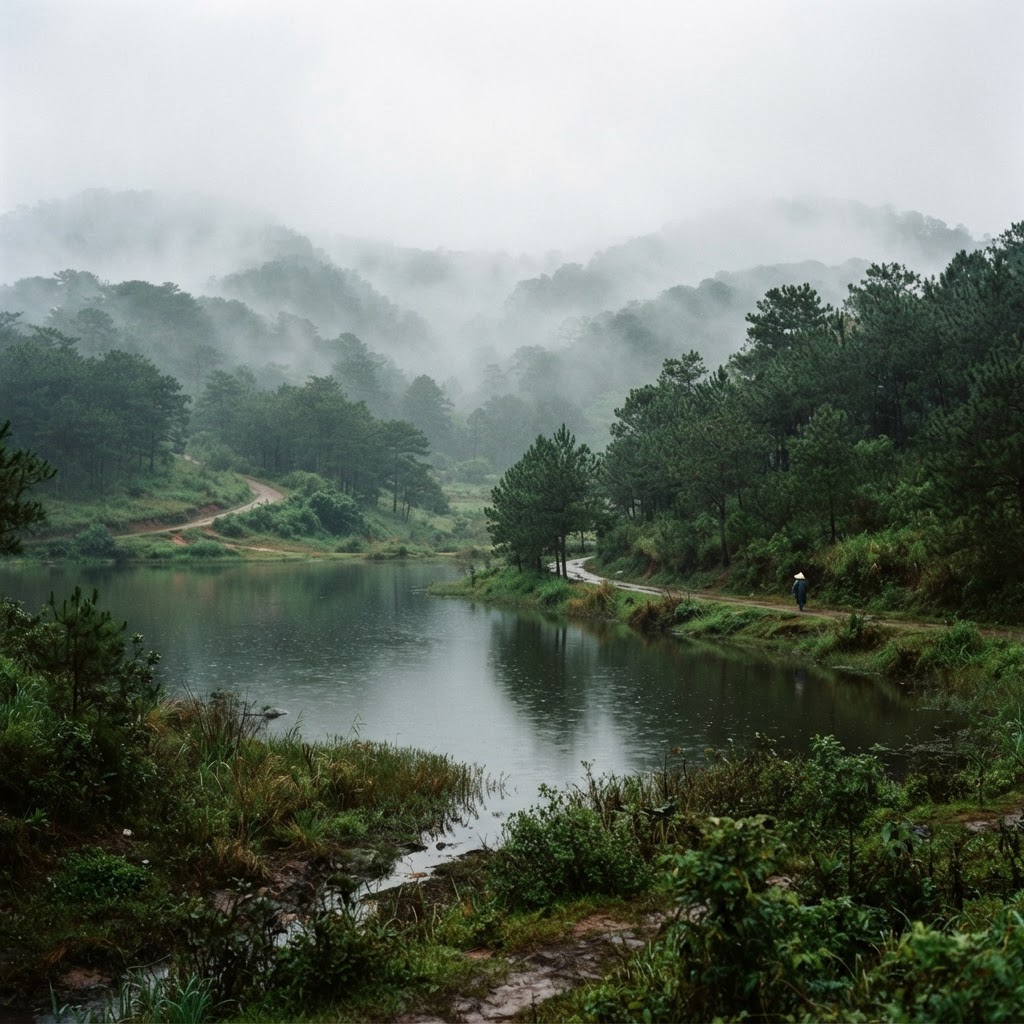
Da Lat
- Typical peak travel period: December–March (dry, cool, popular domestic travel).
- Typical off-season / lower-demand period: June–October (rainy season). 🌧️
- Shoulder-season opportunities: April–May and November. 🌦️
- Typical weather during the off-season: Cool and damp with frequent rain and fog; mountain weather that can change within a day.
- Temperature expectations: Mild year-round; ~15–24°C (59–75°F), cooler mornings and evenings — a real contrast to the hot lowlands.
- Rainfall expectations: Highest May–October; rain and fog common.
- Humidity expectations: High, with persistent mist and fog.
- Storms / flooding: No typhoon risk like the coast; main concerns are fog, rain, and winding mountain road conditions.
- A normal day (wet season): Cool misty morning, possible rain in the afternoon, fog rolling in by evening; lush green surroundings.
- Advantages of off-season visits: Refreshing cool climate, very few tourists, lush waterfalls and greenery, lowest costs of the six cities.
- Potential disadvantages: Fog and rain can obscure scenic views, winding roads can be challenging in wet weather, limited indoor amenities.
- Best activities: Cafés (Da Lat's coffee culture is famous), waterfalls (in rain they're spectacular), easy hikes in dry windows, flower farms, local food.
- What to pack: Warm layers (it genuinely gets cool), rain jacket, umbrella, waterproof footwear, quick-dry clothes.
- Best suited to: Outdoor adventure, cultural travel, cool-climate / nature travel, digital-nomad / long-stay travel.
- Flexibility recommendation: Plan scenic viewpoints for clearer windows; embrace the café culture during fog/rain.
Section 3 — Regional Off-Season Breakdown
Northern Vietnam
Northern Vietnam (Hanoi and surrounding regions) has the most pronounced seasonal variation in the country. Summers (roughly May–September) are hot, humid, and rainy, with afternoon thunderstorms and occasional heavy downpours. Winters (December–February) are cool and damp rather than rainy — temperatures can drop to around 10–14°C (50–57°F) and feel colder because of humidity and limited indoor heating. Spring brings mist and light drizzle; autumn (September–November) is widely considered the most pleasant period. Tropical storms can affect the north in summer, though less severely than the central coast.
Central Vietnam
The central coast (Da Nang, Hoi An, Nha Trang) has its rainy season at a different time from the north and south — typically peaking around September–November. This is also the period of highest typhoon risk in Vietnam, with rough seas, possible coastal flooding, and cancelled boat or island excursions. Beach conditions decline during storms. Shoulder seasons (late summer and early winter) can offer a good compromise. Travelers should be aware that central Vietnam's wet period can be more intense and prolonged than the short-burst showers of the south.
Central Highlands
Da Lat and the central highlands have a unique highland climate: cooler temperatures year-round, a distinct rainy season (roughly May–October), and frequent fog and mist. Mornings and evenings can be genuinely cool even in summer. The rainy season brings lush greenery and spectacular waterfalls but can obscure mountain views and make winding roads more challenging. This is the best region for travelers who prefer cool weather over heat.
Southern Vietnam
Southern Vietnam (Ho Chi Minh City) has a tropical climate with a wet season (roughly May–October) and a dry season (roughly November–April). A key characteristic: rain often arrives as short, heavy showers — typically late afternoon or evening — rather than continuous all-day rain. Temperatures stay warm year-round. Travelers can usually plan around showers by scheduling outdoor activities in the morning and using rainy afternoons for cafés, coworking, museums, or food. Heat and humidity are the main comfort factors.
Section 4 — Off-Season Weather Comparison Chart
The table below summarizes typical off-season conditions for each city. These are general patterns, not forecasts — actual conditions vary by year and date.
| City | Region | Typical Off-Season | Weather | Rain Potential | Temperature Feel | Humidity | Travel Considerations |
|---|---|---|---|---|---|---|---|
| Ho Chi Minh City | South | May–Oct | Hot, short heavy showers | High | Hot | High | Plan around afternoon showers |
| Hanoi | North | Jun–Aug (summer); Dec–Feb (cool) | Hot humid summer / cool damp winter | High (summer) | Hot or cool | High | Bring layers; winter buildings unheated |
| Da Nang | Central | Sep–Nov | Rain, typhoon risk | High | Warm | High | Check storm warnings; flexible coastal plans |
| Hoi An | Central | Oct–Nov | Heavy rain, flooding risk | High | Warm | High | Old town may flood; choose higher-ground lodging |
| Nha Trang | Central Coast | Oct–Dec | Longer rain periods | Moderate–High | Warm | Moderate–High | Boat/diving trips may cancel |
| Da Lat | Central Highlands | Jun–Oct | Cool, misty, rainy | Moderate–High | Cool | High | Foggy roads; bring warm layers |
Rain potential and humidity are described as Low, Moderate, High, or Variable to avoid implying weather can be predicted precisely. Always check a current forecast before traveling.
Section 5 — Is Off-Season Travel Cheaper in Vietnam?
Lower-demand periods may bring better hotel availability and potentially lower accommodation prices, more booking flexibility, fewer tourists, less crowded attractions, easier restaurant reservations, and better conditions for negotiating long-stay accommodation. However, this is not a guarantee.
Prices vary based on many factors, including:
- Vietnamese public holidays (e.g., Tet/Lunar New Year in January–February)
- Local festivals and events
- Weekend demand
- International tourism trends
- Major events and conferences
- School holidays (domestic and international)
- The specific destination and property
During major holidays like Tet, demand and prices can spike even within a generally "off" period. Do not assume flights, hotels, tours, or transportation will always be cheaper — compare actual prices for your dates.
Section 6 — Advantages of Off-Season Vacationing
- Fewer crowds at major attractions
- Potentially better accommodation value and availability
- More relaxed, less rushed sightseeing
- Easier interaction with local businesses and hosts
- Better availability for popular restaurants and tours
- More authentic day-to-day atmosphere
- Lush, green landscapes during rainy periods
- Dramatic cloud formations and photography opportunities
- Cooler periods in some destinations (Hanoi winter, Da Lat)
- Opportunities for longer, slower stays
Section 7 — Disadvantages of Off-Season Vacationing
- Rain and wet conditions
- High humidity and heat (in some regions)
- Tropical storms, especially on the central coast
- Flooding in susceptible low-lying areas (notably Hoi An)
- Rough seas and reduced beach conditions
- Transportation disruptions
- Cancelled boat or island excursions
- Wet roads and slower travel
- Mosquitoes and insects during wetter, warmer periods
These risks vary by location and date. A rainy-season trip to Ho Chi Minh City is very different from a typhoon-season trip to Da Nang. None of this means off-season travel is "bad" — it simply requires different planning.
Section 8 — How to Plan an Off-Season Vietnam Vacation
- Check the weather forecast shortly before leaving and again during your trip.
- Keep major outdoor activities flexible and movable.
- Schedule outdoor sightseeing earlier in the day when appropriate.
- Keep indoor alternatives available (museums, cafés, spas, cooking classes).
- Carry a compact umbrella at all times.
- Carry a lightweight rain jacket.
- Wear quick-drying clothing.
- Protect phones, cameras, laptops, and documents from rain (dry bag or waterproof pouch).
- Choose accommodations with reliable air conditioning during hot, humid periods.
- Consider travel insurance for trips involving significant prepaid transportation or activities.
- Check storm warnings before any coastal or island trip.
- Avoid overly tight travel schedules during periods of historically heavy rainfall.
Section 9 — What to Pack for Off-Season Vietnam
- Lightweight rain jacket
- Compact umbrella
- Quick-drying shirts
- Breathable pants/shorts
- Waterproof or water-resistant footwear
- Waterproof phone pouch
- Dry bag
- Extra socks
- Power bank
- Insect repellent
- Sunscreen (the sun is strong even in rainy season)
- Reusable water bottle
- Small microfiber towel
Adjust packing for the specific city and month — Da Lat needs warm layers, HCMC needs heat-friendly clothing, Hoi An may need flood-ready footwear.
Section 10 — Best Activities During Vietnam's Off Season
When weather is unpredictable, these activities work particularly well:
- Vietnamese cafés (a national institution — see our essential apps guide for getting around)
- Food tours and street food crawls
- Museums and historical sites
- Cooking classes
- Spas and wellness treatments
- Markets and shopping
- Photography — rainy weather creates excellent opportunities
- Cultural attractions and local neighborhoods
- Restaurants and local cuisine
- Coworking spaces (for digital nomads — see our working abroad guide)
- Scenic drives when conditions are safe
- Nature activities during breaks in the weather
Section 11 — Off-Season Photography
Rain transforms Vietnam's visual character. Wet streets reflect lights, mist softens landscapes, and the green season turns rice fields and mountains vivid. Below are scenes of Vietnam during lower-demand and rainy periods.
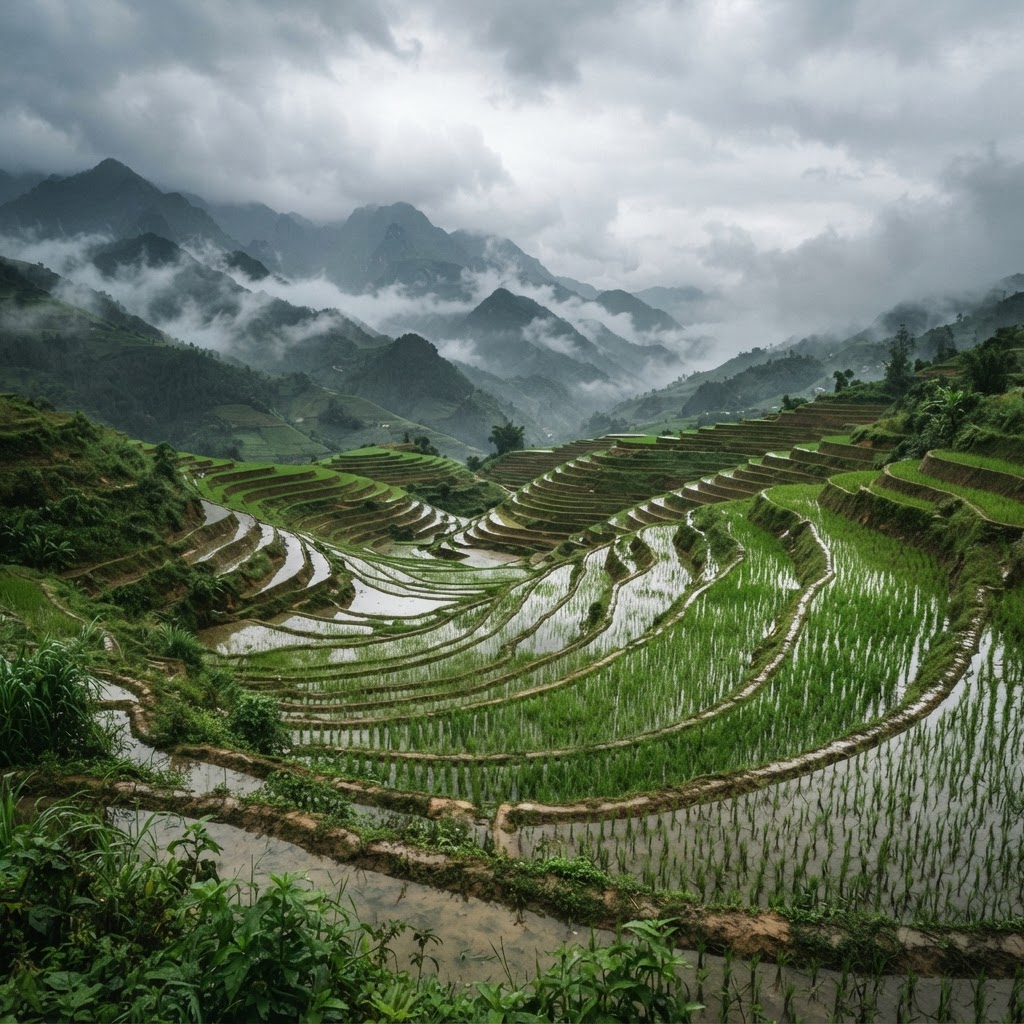

All photographs in this guide are original AI-generated images created for Remote Life Vietnam, produced to depict typical off-season and rainy conditions without using copyrighted third-party photos.
Section 12 — Frequently Asked Questions
What is the off season for traveling to Vietnam?
There is no single off season for all of Vietnam. Each region has its own lower-demand period: the south around May–October, the central coast around September–November, and the north's hot summer around June–August. "Off season" refers to lower tourist demand, which does not always coincide with the worst weather.
Is Vietnam worth visiting during the rainy season?
Yes, for many travelers. Rainy season in much of Vietnam — especially the south — often means short, heavy showers rather than all-day rain, with fewer crowds and lush scenery. The exception is the central coast's typhoon season (around September–November), which requires more flexibility and caution.
Which part of Vietnam is best to visit during the rainy season?
It depends on the month. When the central coast is wet (Sep–Nov), the south or Da Lat may be more manageable. When the south is wet (May–Oct), the central coast is often drier. Da Lat offers a cool-climate alternative year-round. Check which region is in its wet season for your specific dates.
Does it rain all day during Vietnam's rainy season?
Not usually in southern Vietnam, where rain often arrives as short, heavy bursts — frequently in the late afternoon or evening. In central Vietnam, rain can last longer and storms can bring prolonged wet weather. Patterns vary by region and year, so check a short-term forecast.
Is Vietnam cheaper during the off season?
It can be — off-season periods may bring lower accommodation prices and better availability. But prices also depend on Vietnamese holidays (especially Tet), festivals, weekends, and major events, so off-season does not guarantee cheaper flights, hotels, or tours. Compare actual prices for your dates.
What should I pack for Vietnam's rainy season?
A compact umbrella, lightweight rain jacket, quick-drying clothing, waterproof footwear, a waterproof phone pouch, a dry bag, insect repellent, and sunscreen. Add warm layers if visiting Da Lat or Hanoi in winter.
What cities in Vietnam have the best off-season weather?
Da Lat stays cool and manageable year-round. Nha Trang is dry for most of the year (its short wet season is roughly Oct–Dec). Ho Chi Minh City's wet season features short showers rather than all-day rain. Hanoi's autumn (Sep–Nov) is pleasant. The central coast (Da Nang, Hoi An) is the most weather-sensitive in its off season.
Is the off season good for digital nomads in Vietnam?
Yes. Off-season periods often mean cheaper rent, better apartment availability, and fewer crowds — useful for long stays. Ho Chi Minh City, Hanoi, and Da Nang have strong coworking scenes. See our working abroad in Vietnam guide for more.
Can I still visit the beach during Vietnam's rainy season?
Sometimes. Beach days are possible during dry windows, but the central coast's storm season (around Sep–Nov) can bring rough seas and cancelled boat trips. Check short-term conditions and storm warnings before booking coastal or island excursions.
Does Vietnam have different rainy seasons in different regions?
Yes. The south is wettest around May–October, the central coast around September–November, and the north has a summer rainy season plus a cool damp winter. Because these periods differ, one region can be rainy while another is relatively dry.
When is Vietnam's shoulder season?
Shoulder seasons are the transitions between peak and off seasons — often around November and April in the south, September and December in the central coast, and spring/autumn in the north. These periods can offer a balance of decent weather and fewer crowds.
Related Guides
- Vietnam City Comparison: Cost, Culture & Pros and Cons
- Working Abroad in Vietnam
- Vietnam Residency Guide
- Essential Apps for Vietnam
- Full Resource Library
Sources & References
Seasonal patterns in this guide are based on commonly reported climate characteristics for Vietnam's regions. For current conditions and forecasts, consult:
- Vietnam National Authority of Tourism (Vietnam Tourism) — official tourism information
- Vietnamese government meteorological and weather services
- National meteorological agencies and reputable weather services for short-term forecasts
- Authoritative climate references for regional rainfall and temperature patterns
This guide describes typical seasonal patterns, not weather forecasts. Always verify current conditions with a reliable forecast before traveling.
Plan Your Off-Season Vietnam Trip
Ready to explore Vietnam beyond peak season? Compare all six cities in our Vietnam city comparison, then dive into our working abroad guide and full resource library for everything you need to plan a smart, flexible trip.